


APEC Intangible Cultural Heritage Research Center Inaugurated at Our College
On the morning of November 28,2025, the inauguration ceremony of the "APEC Countries Intangible Cultural Heritage Research Center" was grandly held at Shandong Cultural Industry Vocational College. The center, jointly organized by the Asia-Pacific Communication Center of China Foreign Languages Publishing Administration and Shandong Cultural Industry Vocational College, aims to build a high-end platform for the protection, inheritance, and innovative development of intangible cultural heritage in the Asia-Pacific region, marking a new phase of systematic and regularized exchanges and cooperation in intangible cultural heritage in the Asia-Pacific region.
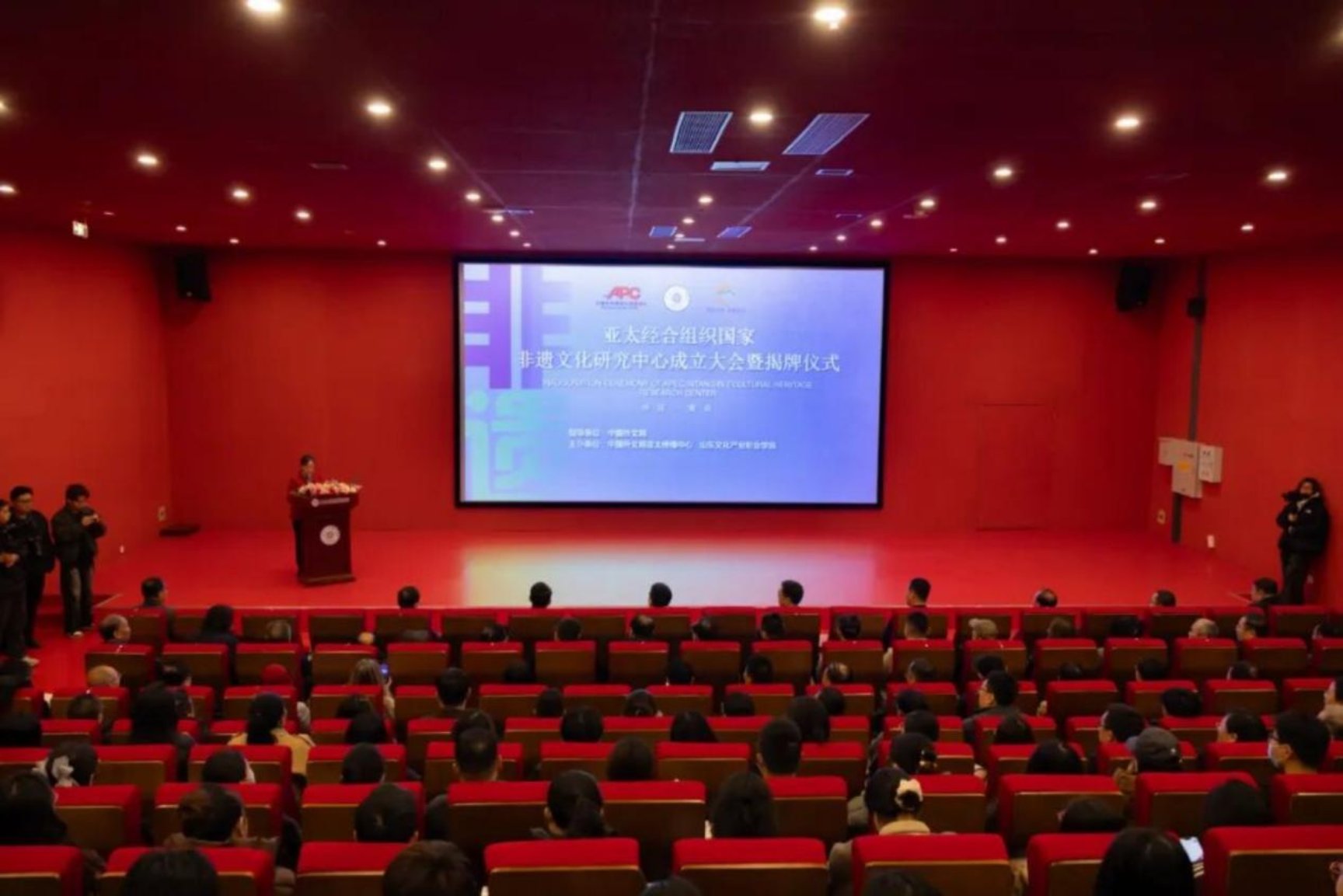
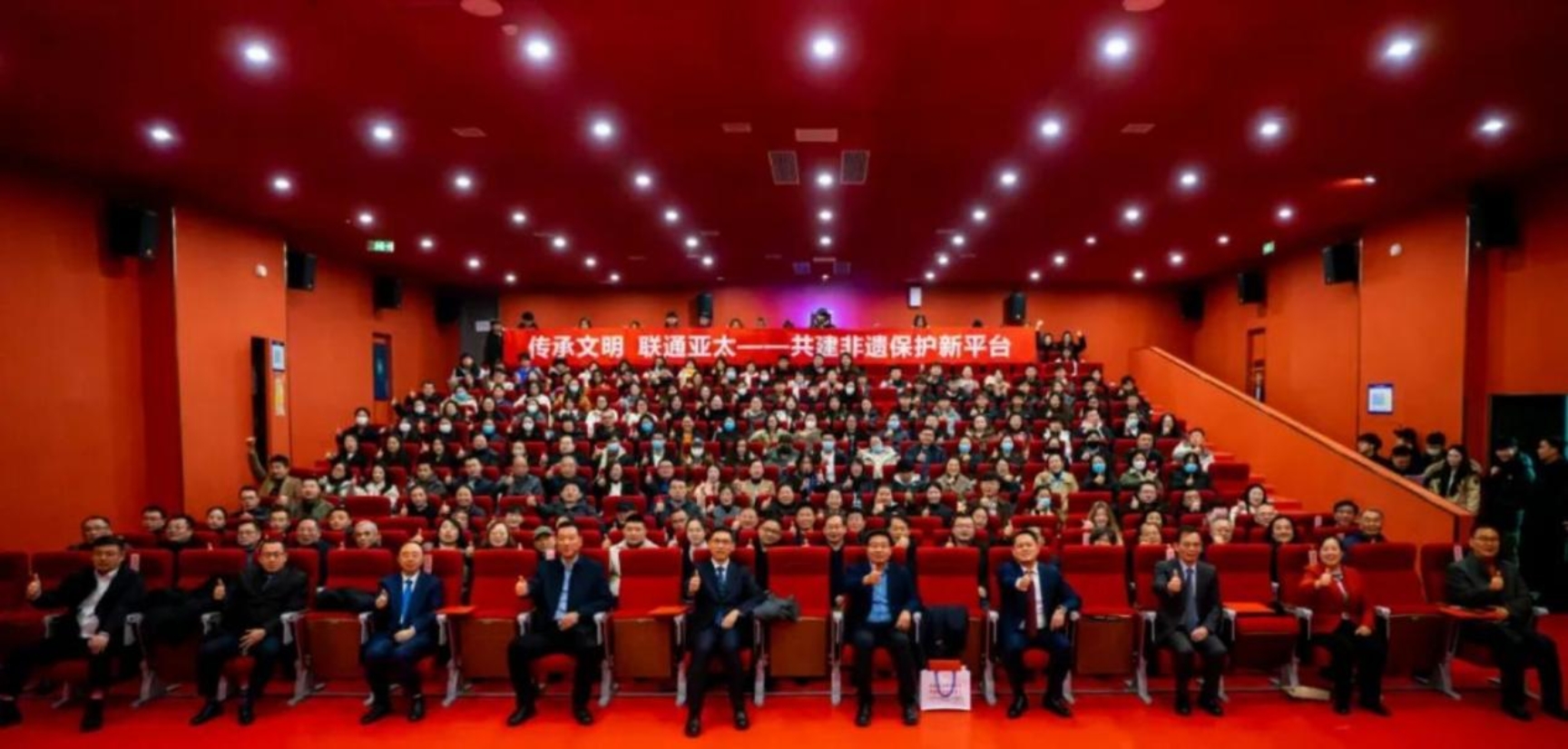
Yang Jianping, Director of the Asia-Pacific Communication Center of China Foreign Languages Publishing Administration, and Wang Hanping, Deputy Director, Chen Chengbiao, Director of the Ideological and Political Work Department of Shandong Provincial Department of Education, Zhang Peng, Member of the Standing Committee of Laixi Municipal Party Committee, Minister of United Front Work, and Vice Mayor, Li Jingping, Chairman of Shandong Cultural Industry Vocational College, Tian Yanling, Party Secretary, and Cao Shengqiang, President, along with other leaders and guests attended the ceremony. Experts on intangible cultural heritage from APEC member states, domestic inheritors of intangible cultural heritage, university scholars, and representatives from various sectors gathered on-site to witness this cultural event. The conference was chaired by Tian Yanling.
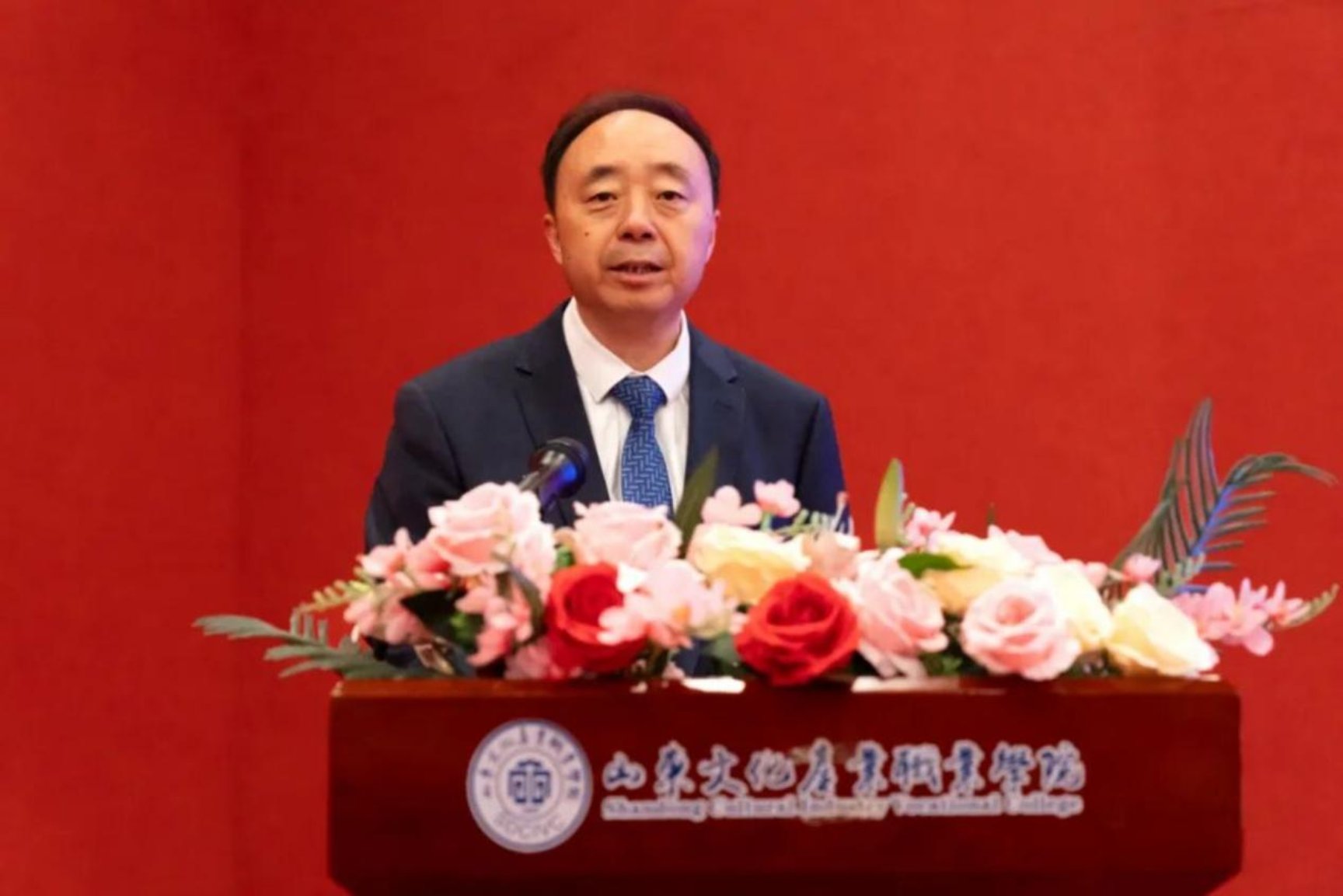
In his speech, Cao Shengqiang, president of Shandong Cultural Industry Vocational College, pointed out that the joint establishment of the "APEC Countries Intangible Cultural Heritage Research Center" by the college and the Asia-Pacific Communication Center of China Foreign Languages Publishing Administration is a vivid practice of implementing General Secretary Xi Jinping's Global Civilization Initiative. It aims to promote the brilliance of Asia-Pacific intangible cultural heritage through exchanges and mutual learning, and jointly advance the prosperity and progress of human civilization. The research center will focus on three core objectives: first, to build a high-end platform for the protection and research of intangible cultural heritage in the Asia-Pacific region, promoting experience sharing and practical cooperation among countries in the field of intangible cultural heritage; second, to promote the creative integration of intangible cultural heritage with modern life, injecting new momentum into cultural innovation and industrial development; third, to enhance young people's awareness and participation in intangible cultural heritage, cultivating future inheritors and guardians through educational projects and digital dissemination. The college will fully support the construction of the center and look forward to establishing cooperation with more domestic and international institutions to jointly explore new paths and models for the protection and innovation of intangible cultural heritage.
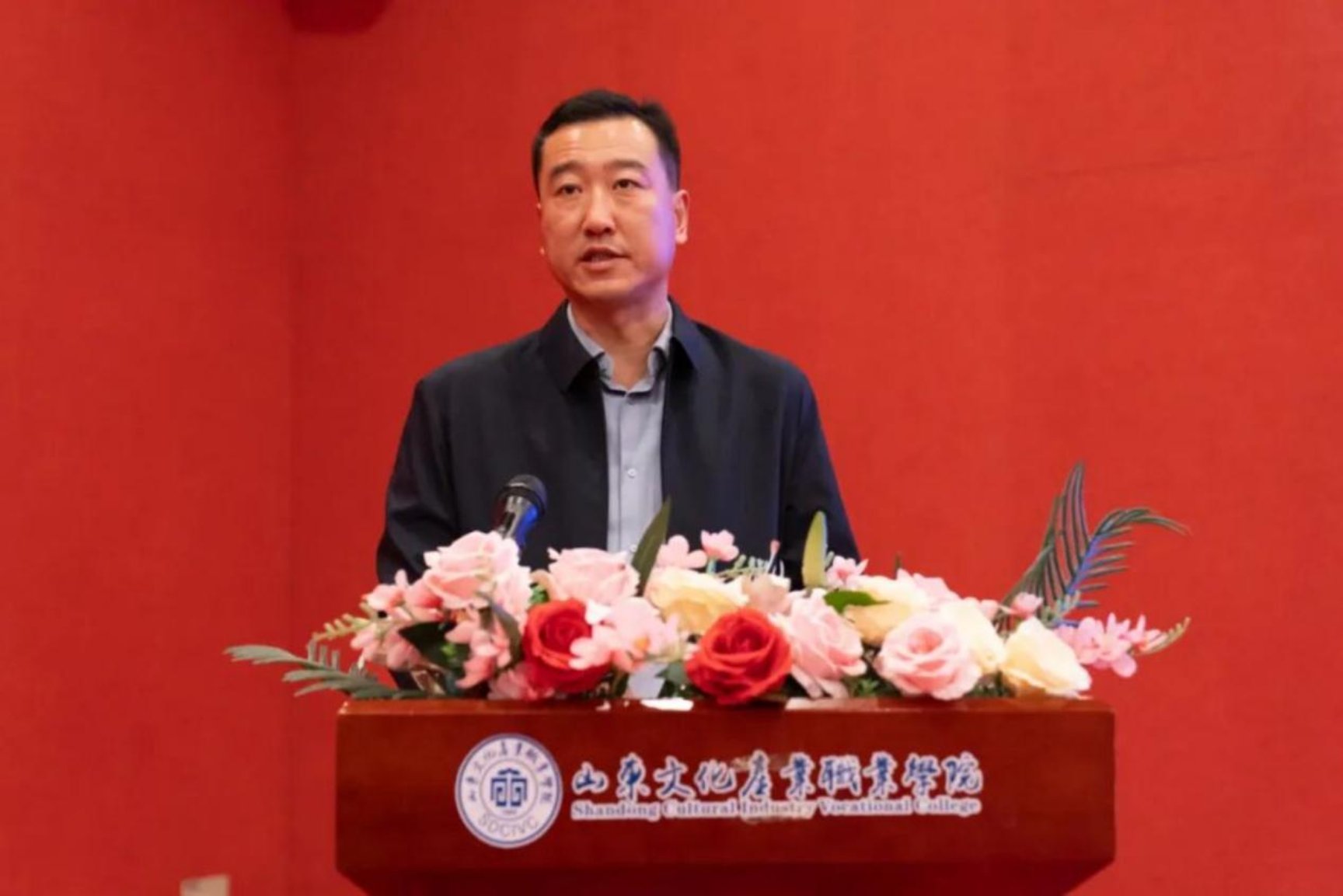
In his address, Zhang Peng, Member of the Standing Committee of Laixi Municipal Party Committee, Minister of United Front Work, and Vice Mayor, highlighted Laixi's profound historical legacy and enduring cultural heritage. He pledged that the city would continue to prioritize and fully support cultural initiatives and industries, providing essential resources for the research center's activities in Laixi—including studies, exchanges, cultural dissemination, and talent development. Together, they aim to explore innovative approaches and mechanisms for preserving intangible cultural heritage while fostering coordinated regional economic and social progress.
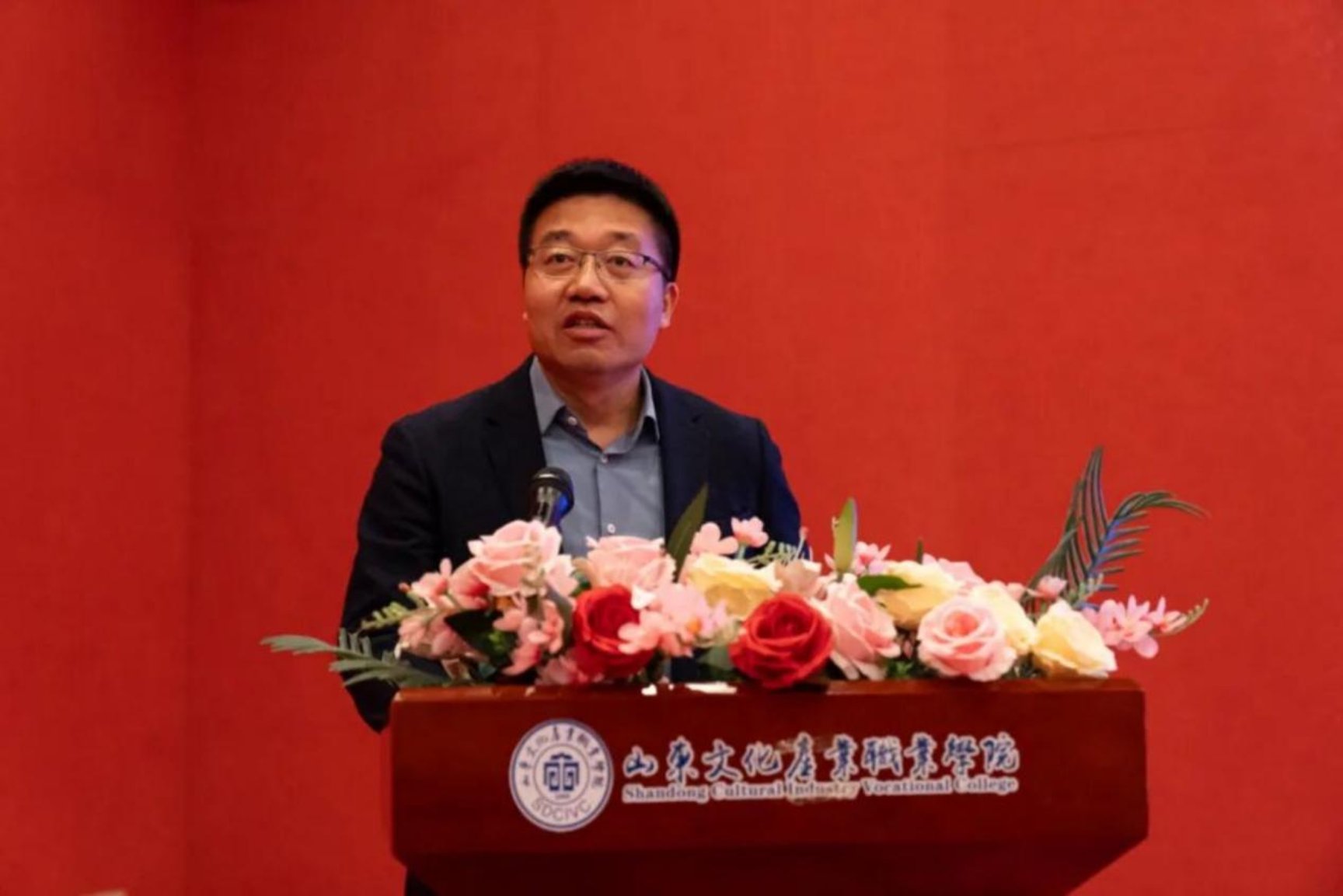
In his address, Chen Chengbiao, Director of the Ideological and Political Work Department at Shandong Provincial Department of Education, highlighted that Shandong, as a cradle of Chinese civilization, boasts a wealth of cultural heritage. The department will support the establishment of the "APEC Countries Intangible Cultural Heritage Research Center," encourage participation in heritage preservation, and build an integrated education system combining industry, academia, research, and application to promote the global outreach of Shandong's intangible cultural heritage. He expressed hope that the research center would focus on the Asia-Pacific region, foster practical cooperation, serve as a vital bridge for educational internationalization, attract more international scholars and students to Shandong for exchanges, and continuously enhance the openness and global influence of Shandong's education.
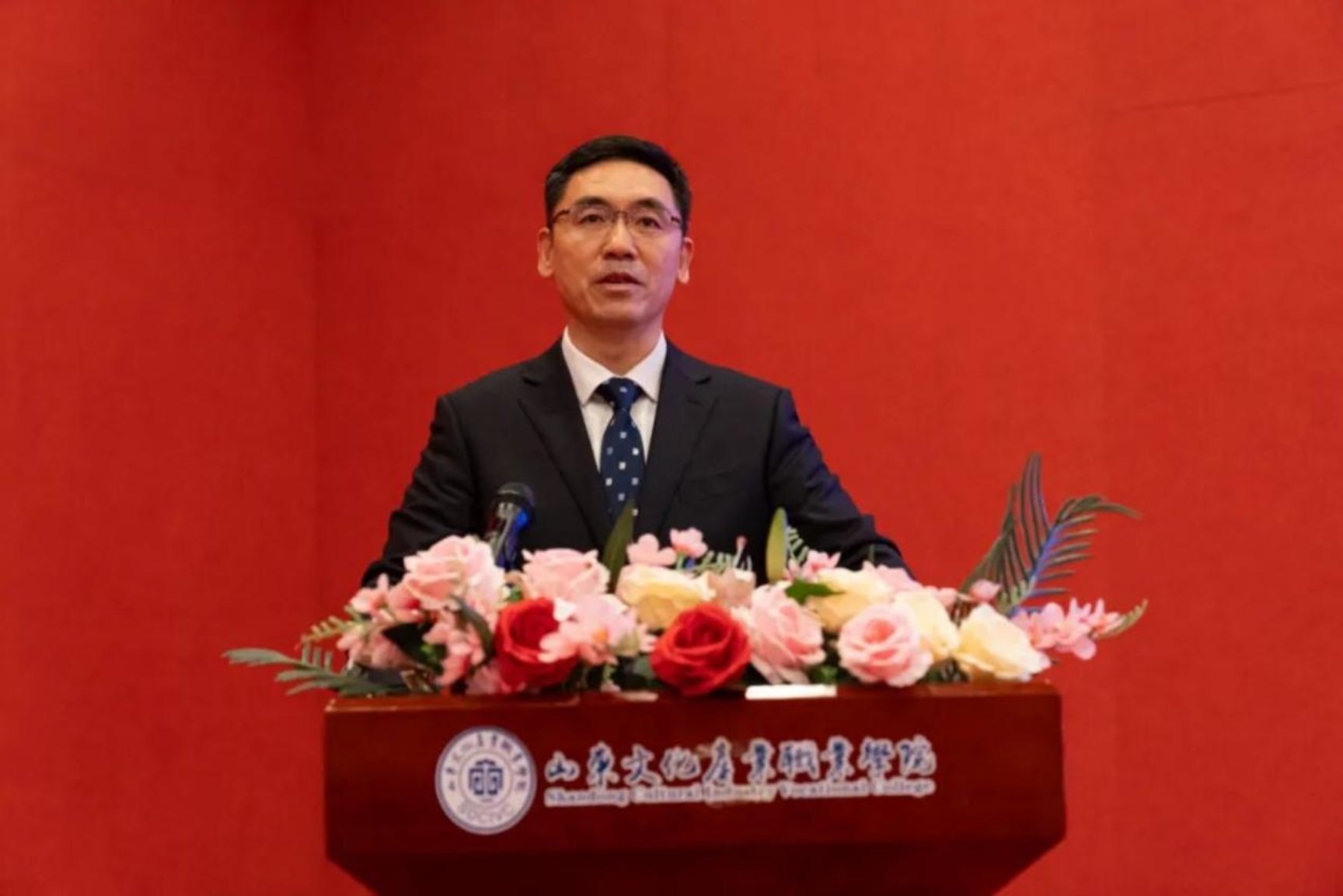
Yang Jianping, Director of the Asia-Pacific Communication Center of China Foreign Languages Publishing Administration, pointed out in his speech that the "APEC Countries Intangible Cultural Heritage Research Center" is jointly established by the Asia-Pacific Communication Center of China Foreign Languages Publishing Administration and Shandong Cultural Industry Vocational College. It will leverage the resource and channel advantages of the Asia-Pacific Communication Center in international communication and cultural exchange, combined with the professional accumulation and practical foundation of Shandong Cultural Industry Vocational College in intangible cultural heritage research, digital protection, cultural-tourism integration, and talent cultivation, to build a "research + communication + practice" trinity cooperation platform. He stated that the research center will adhere to the principles of openness, inclusiveness, mutual learning, and mutual appreciation, welcoming active participation from intangible cultural heritage inheritors, research institutions, cultural enterprises, and other stakeholders from various sectors in the Asia-Pacific region. The Asia-Pacific Communication Center of China Foreign Languages Publishing Administration will fully commit to the center's construction, enabling the unique charm of Asia-Pacific intangible cultural heritage to reach a broader world.
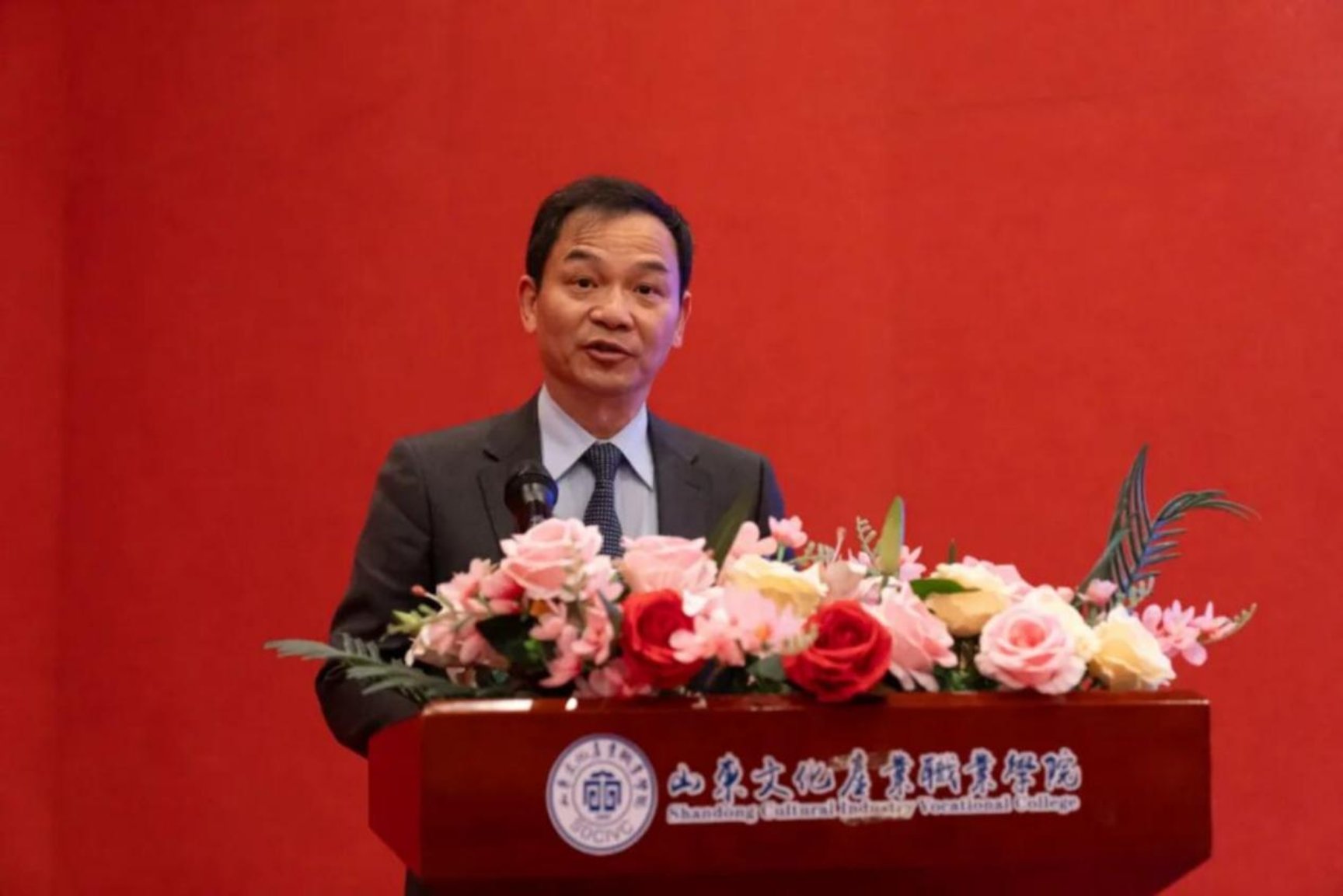
Wang Hanping, deputy director of the Asia-Pacific Communication Center of China Foreign Languages Publishing Administration, read out the approval document for the establishment of the "APEC Countries Intangible Cultural Heritage Research Center".
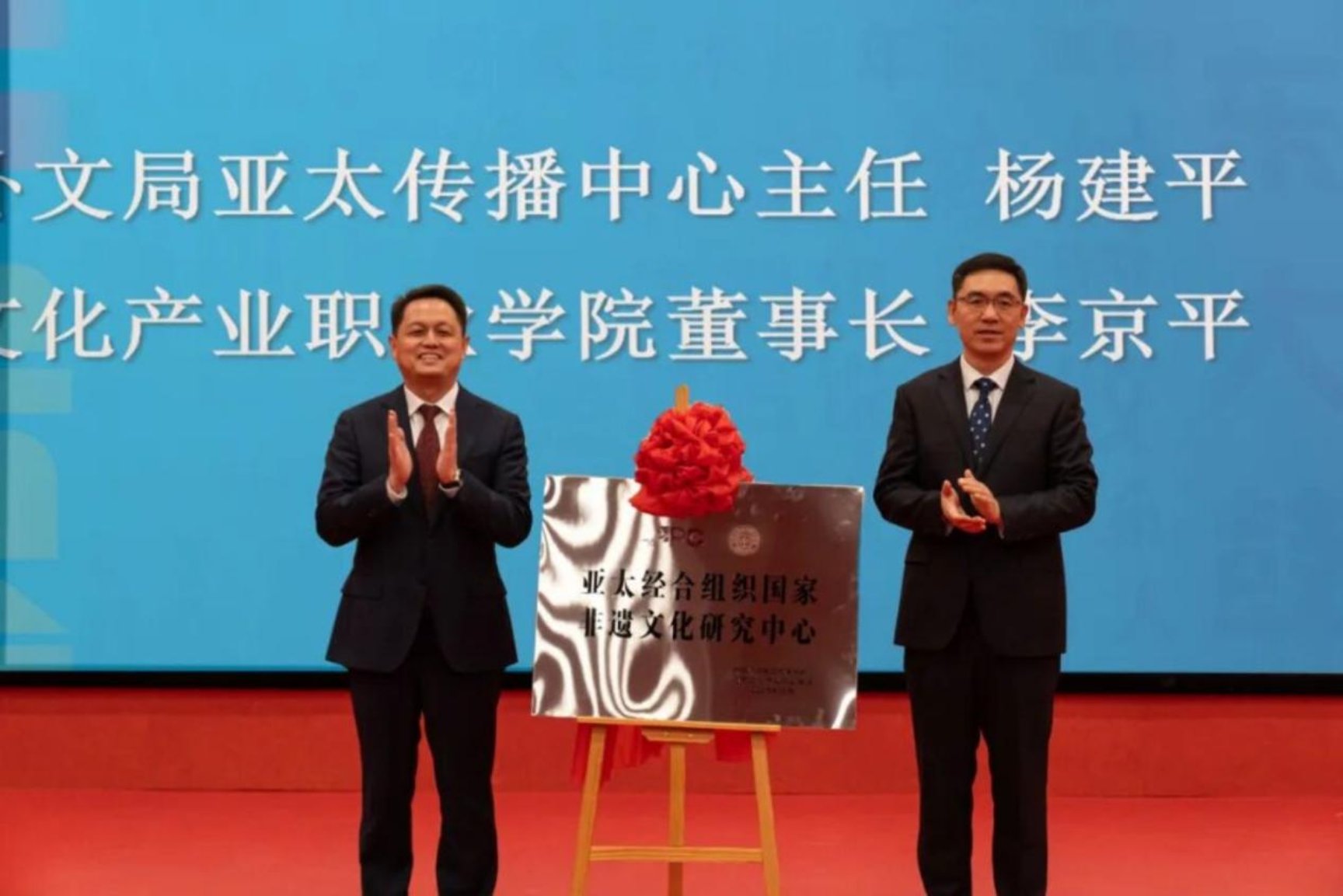
Yang Jianping, Director of the Asia-Pacific Communication Center of China Foreign Languages Publishing Administration, and Li Jingping, Chairman of Shandong Cultural Industry Vocational College, jointly unveiled the plaque for the "APEC Countries Intangible Cultural Heritage Research Center", marking a new chapter in the protection, inheritance, and innovation of intangible cultural heritage in the Asia-Pacific region.
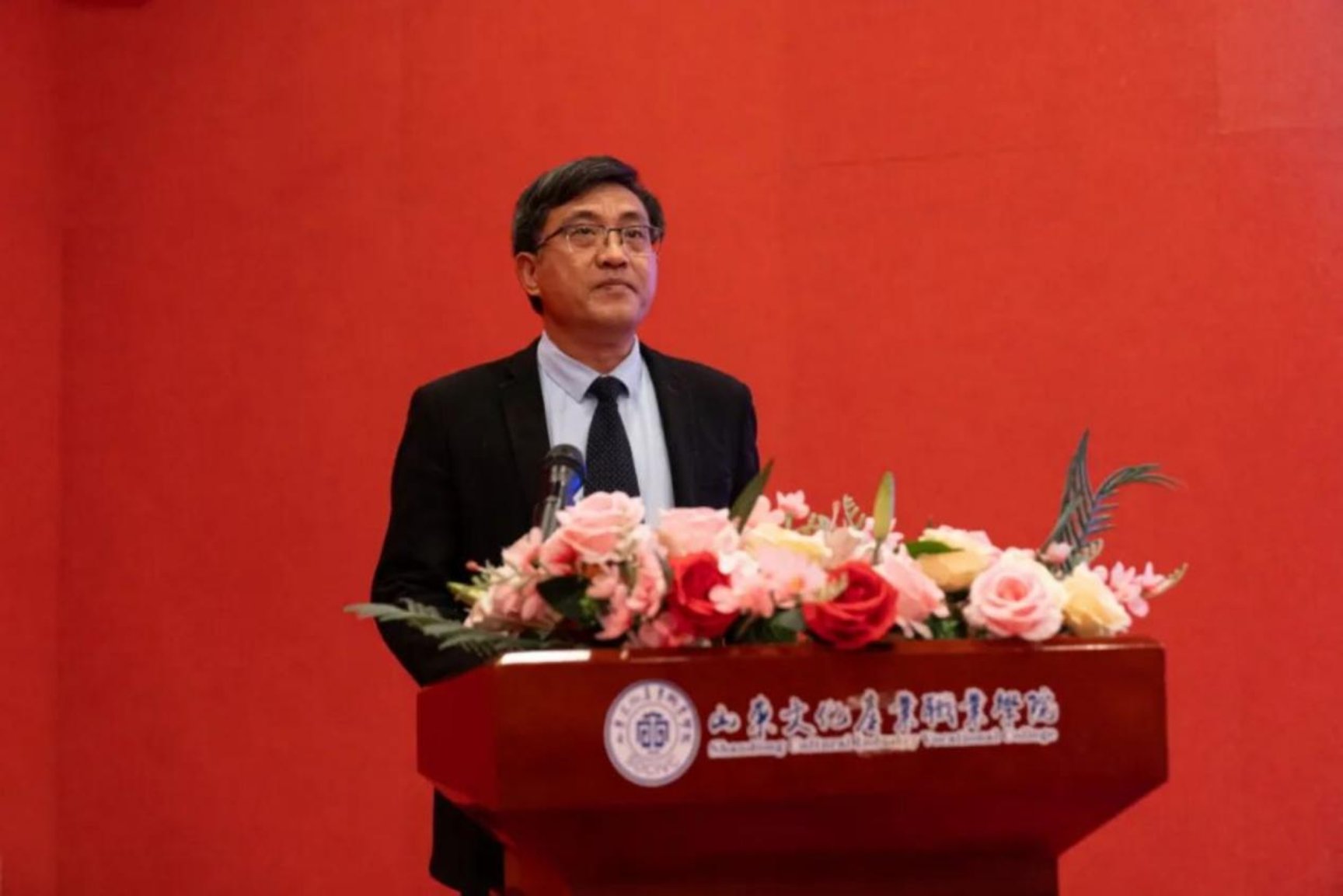
Xu Yuguo, Assistant to the President of Shandong Cultural Industry Vocational College and Deputy Director of the APEC National Intangible Cultural Heritage Research Center, announced the 'Decision on the Appointment of Chief and Special Experts by the APEC National Intangible Cultural Heritage Research Center'.
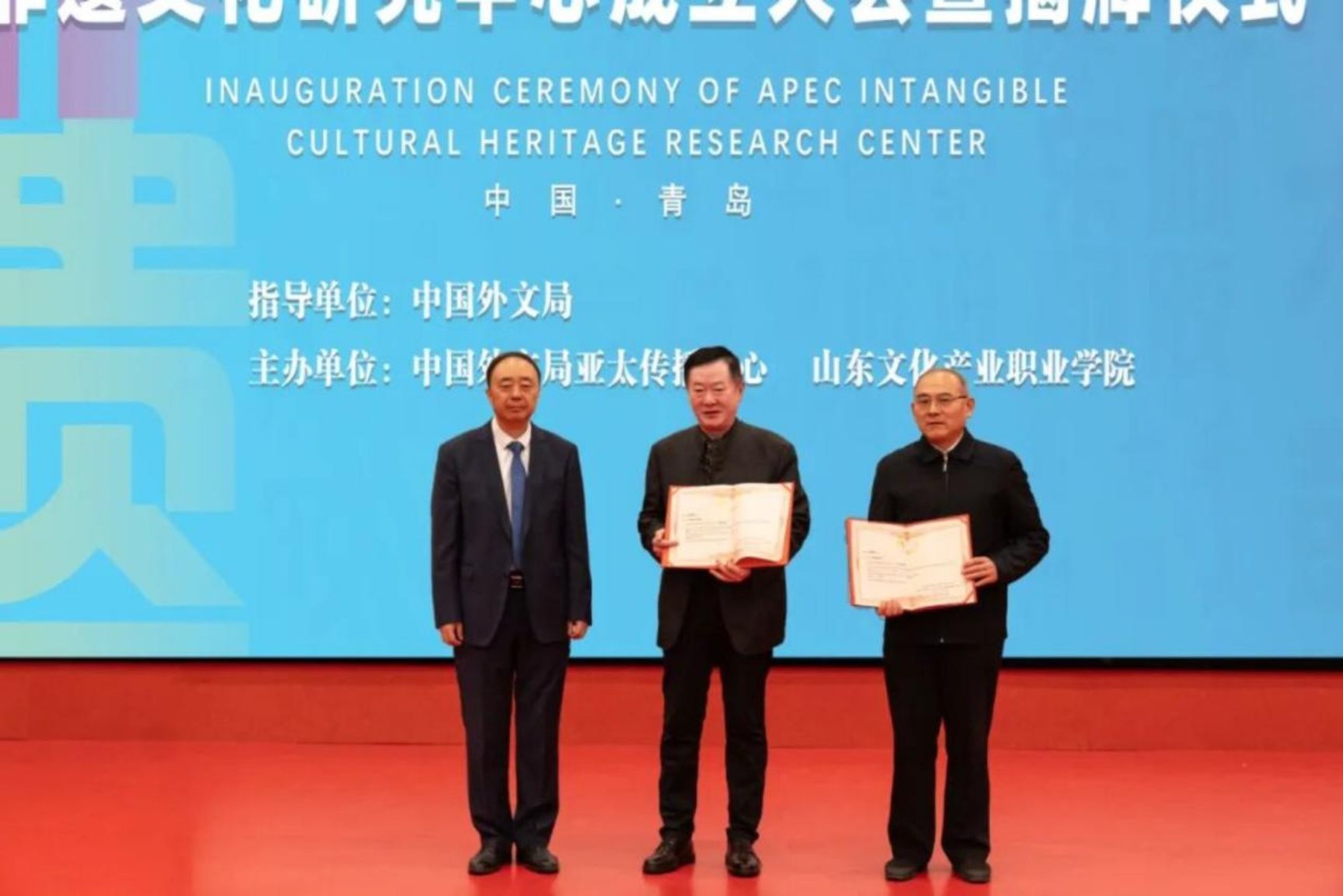
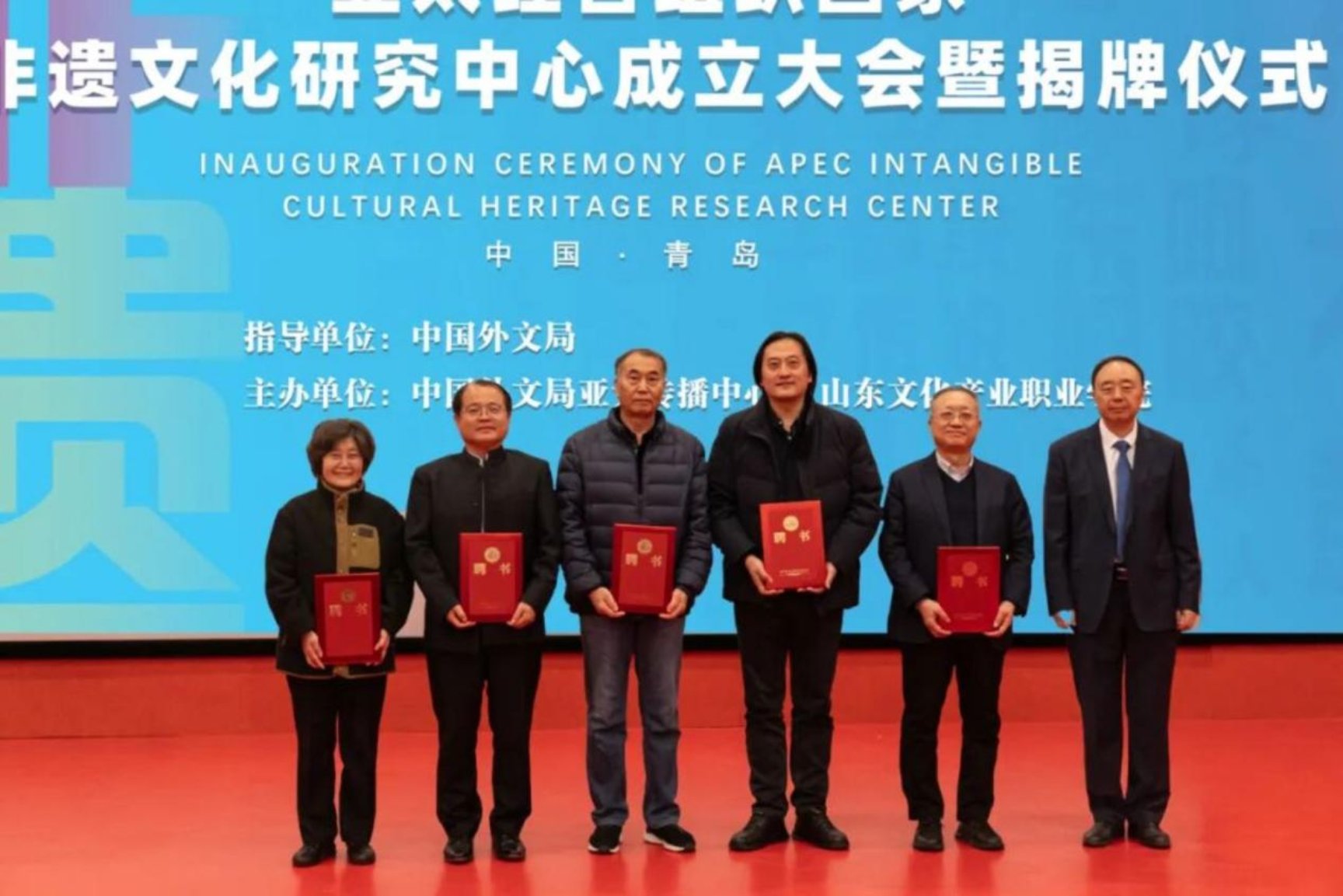
The inaugural ceremony for the inaugural Chief Experts and Distinguished Experts of the APEC Countries Intangible Cultural Heritage Research Center was held on-site. Three experts were appointed as Chief Experts, including Professor Du Xiaofan from Fudan University. Seven Distinguished Experts were selected, including Professor Meng Qinglong from the University of Chinese Academy of Social Sciences and Tai Liping, inheritor of Fengxiang woodblock New Year paintings. These experts will provide core support for the center's academic research, talent development, and international exchanges. President Cao Shengqiang presented certificates to the experts.
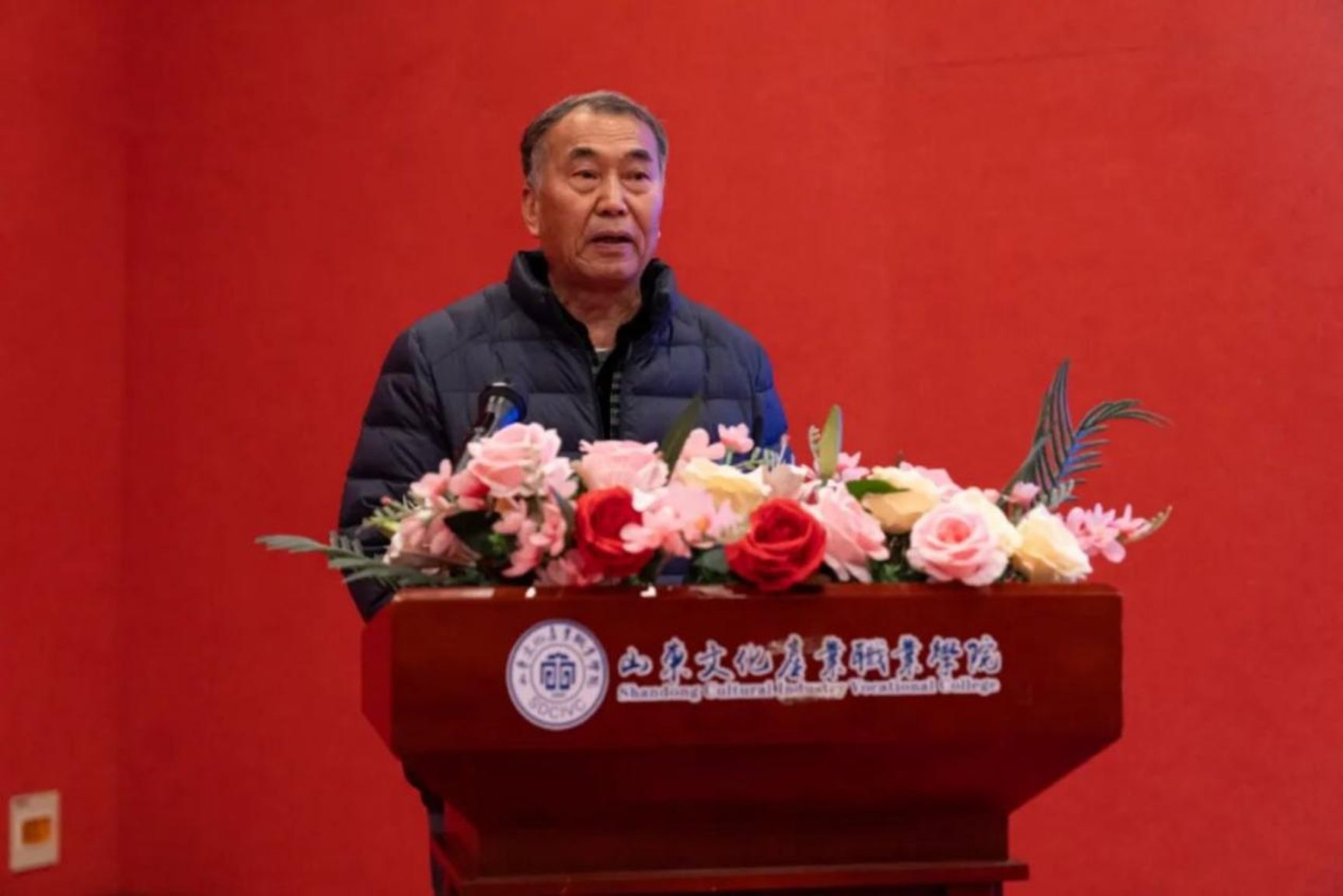
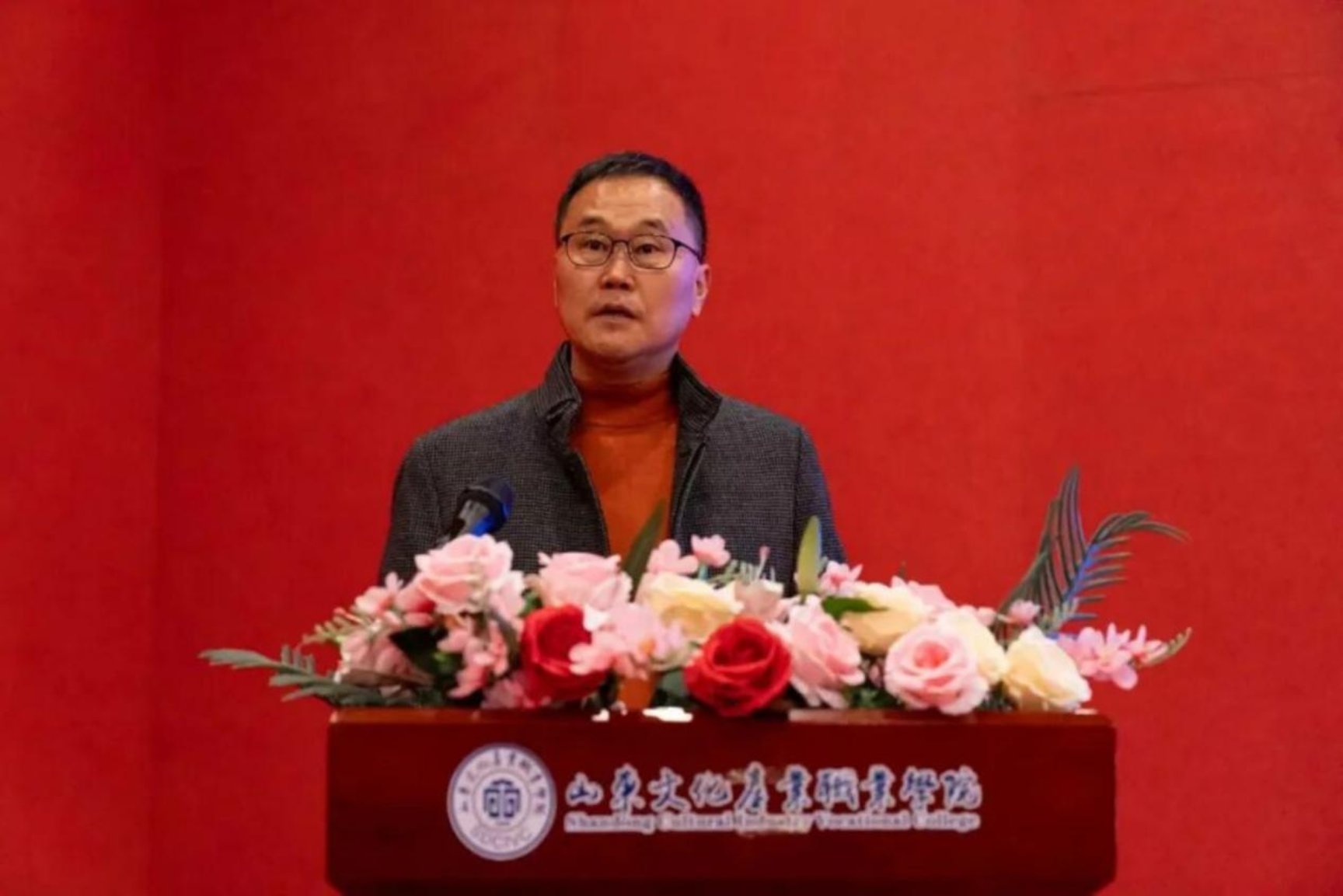
Tai Liping, the 20th-generation inheritor of Fengxiang woodblock New Year paintings and a representative of national intangible cultural heritage inheritors, and Choi Wan-won, an intangible cultural heritage expert from South Korea, delivered speeches on behalf of their respective groups. They shared their personal experiences, expressed their expectations for the bright future of the research center, and stated their willingness to unreservedly share their own experience and wisdom, actively participate in various activities organized by the research center, and work hand in hand with colleagues from China and other countries in the Asia-Pacific region.
After the ceremony, attendees observed the live intangible cultural heritage performances and campus infrastructure and cultural development.
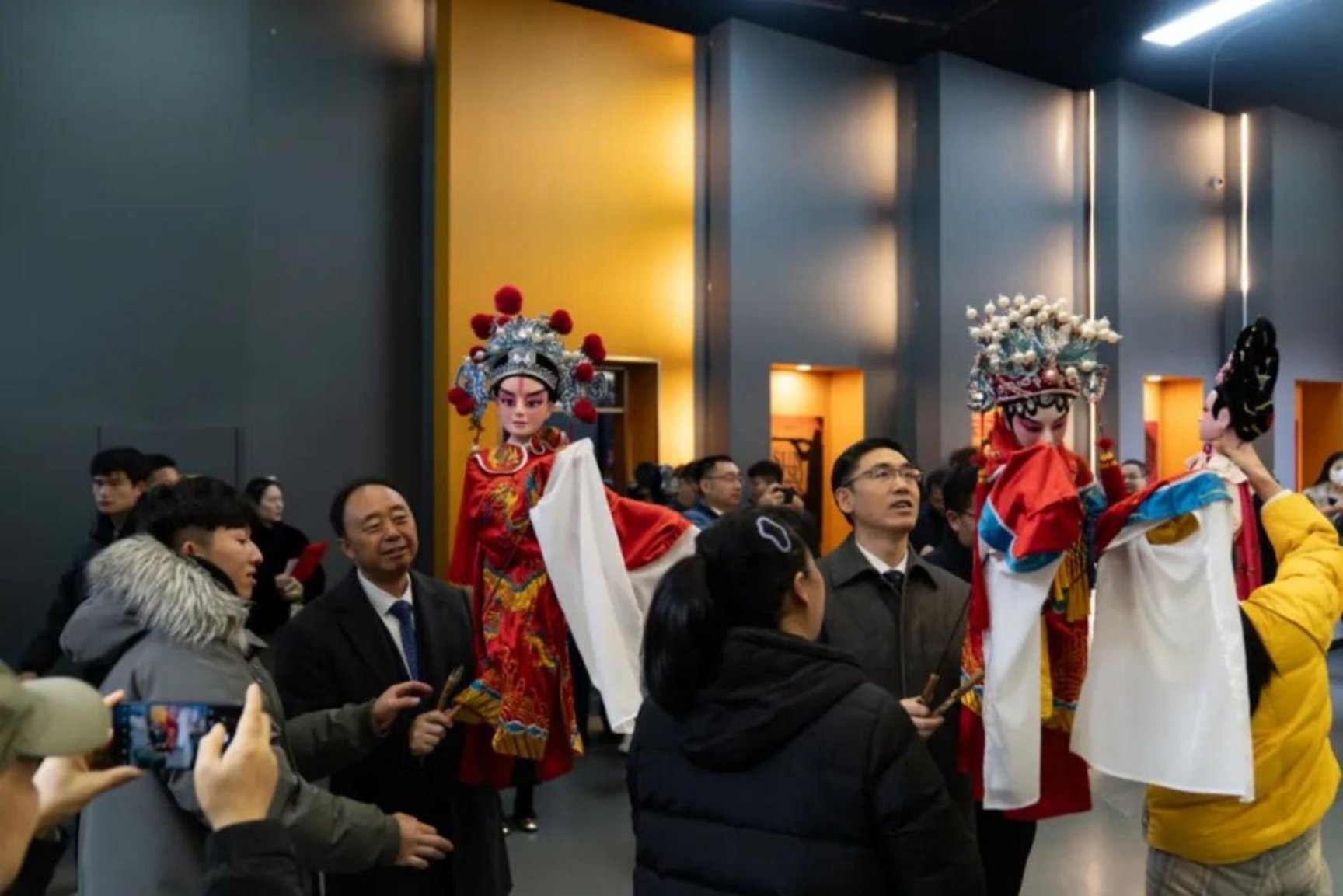
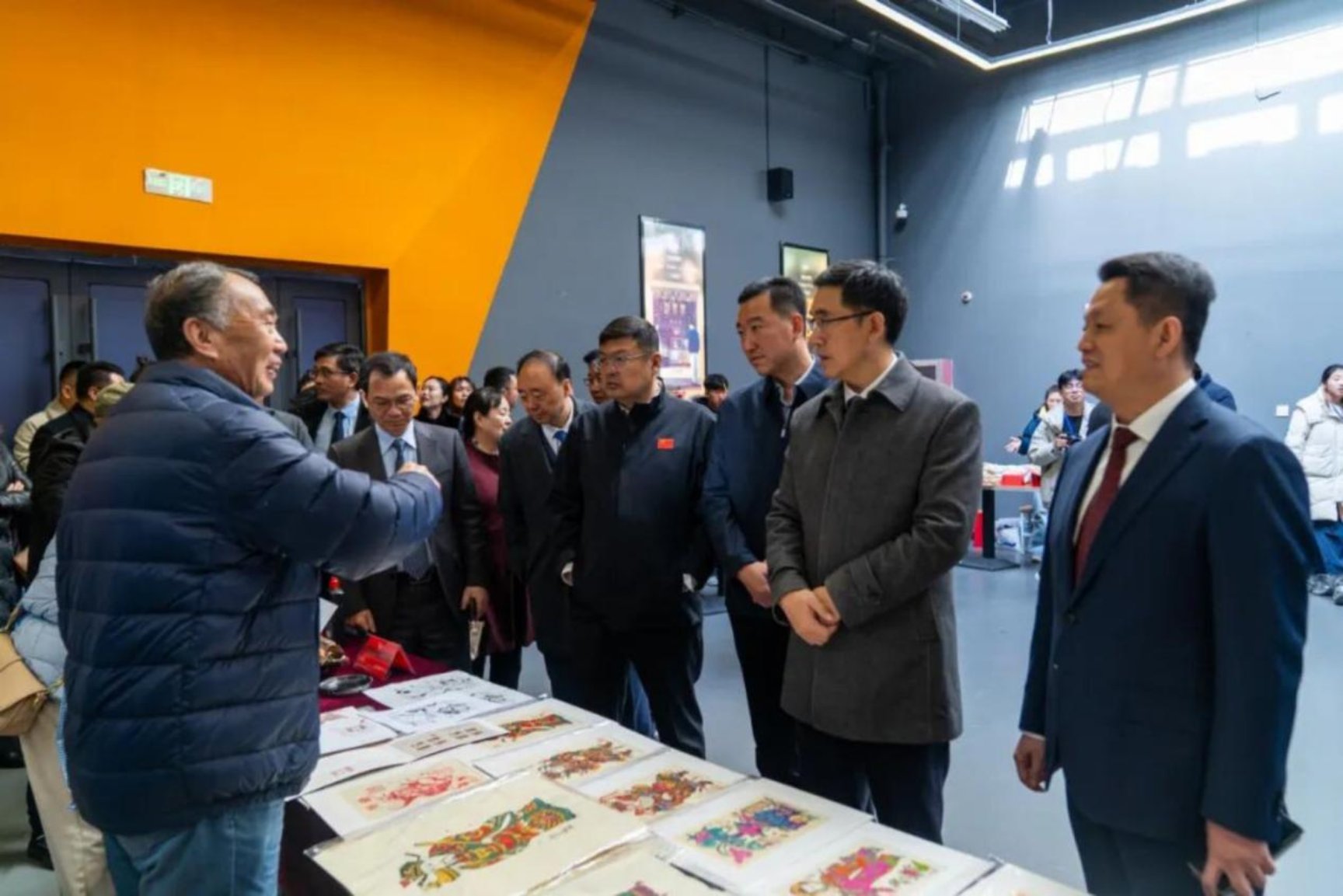
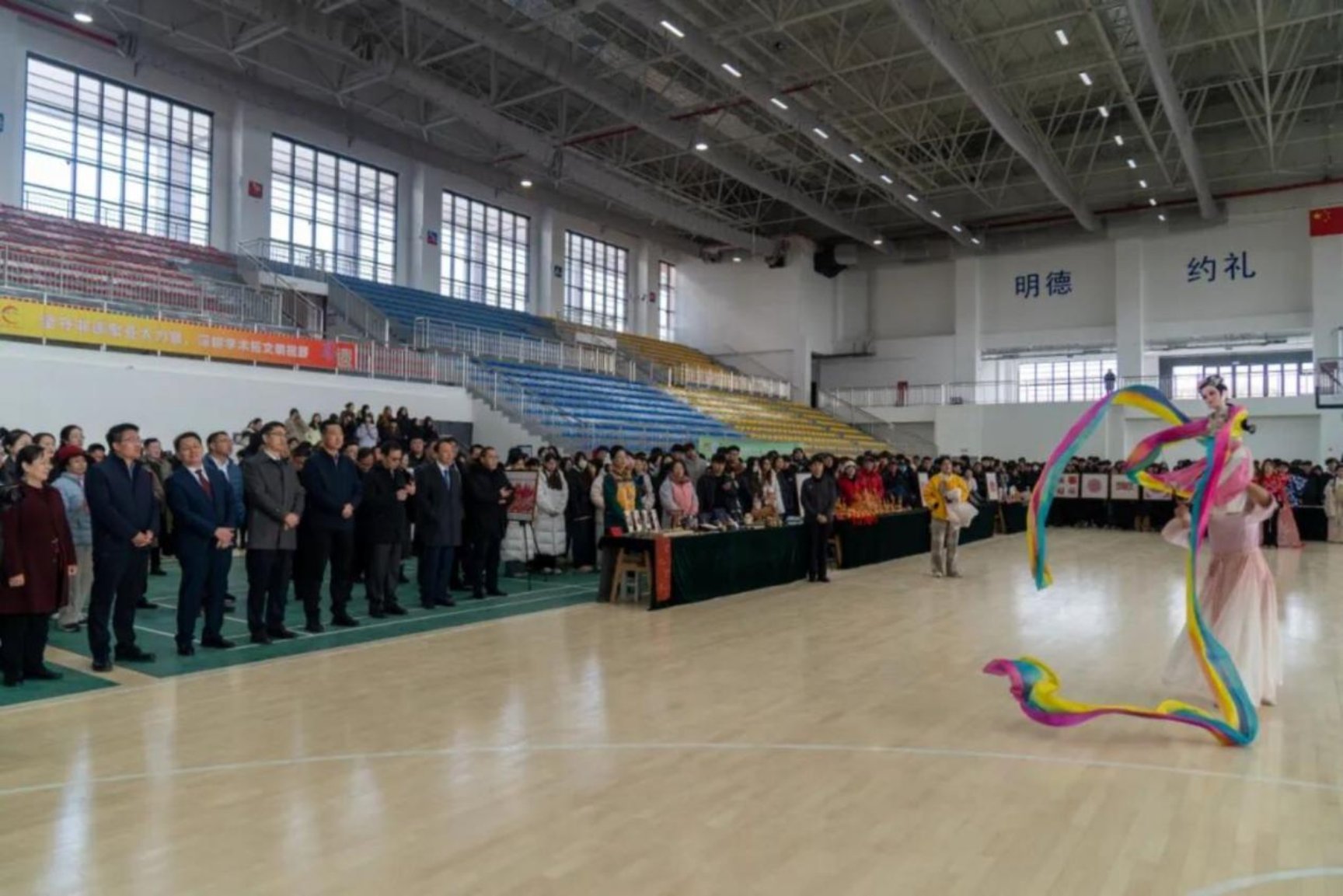
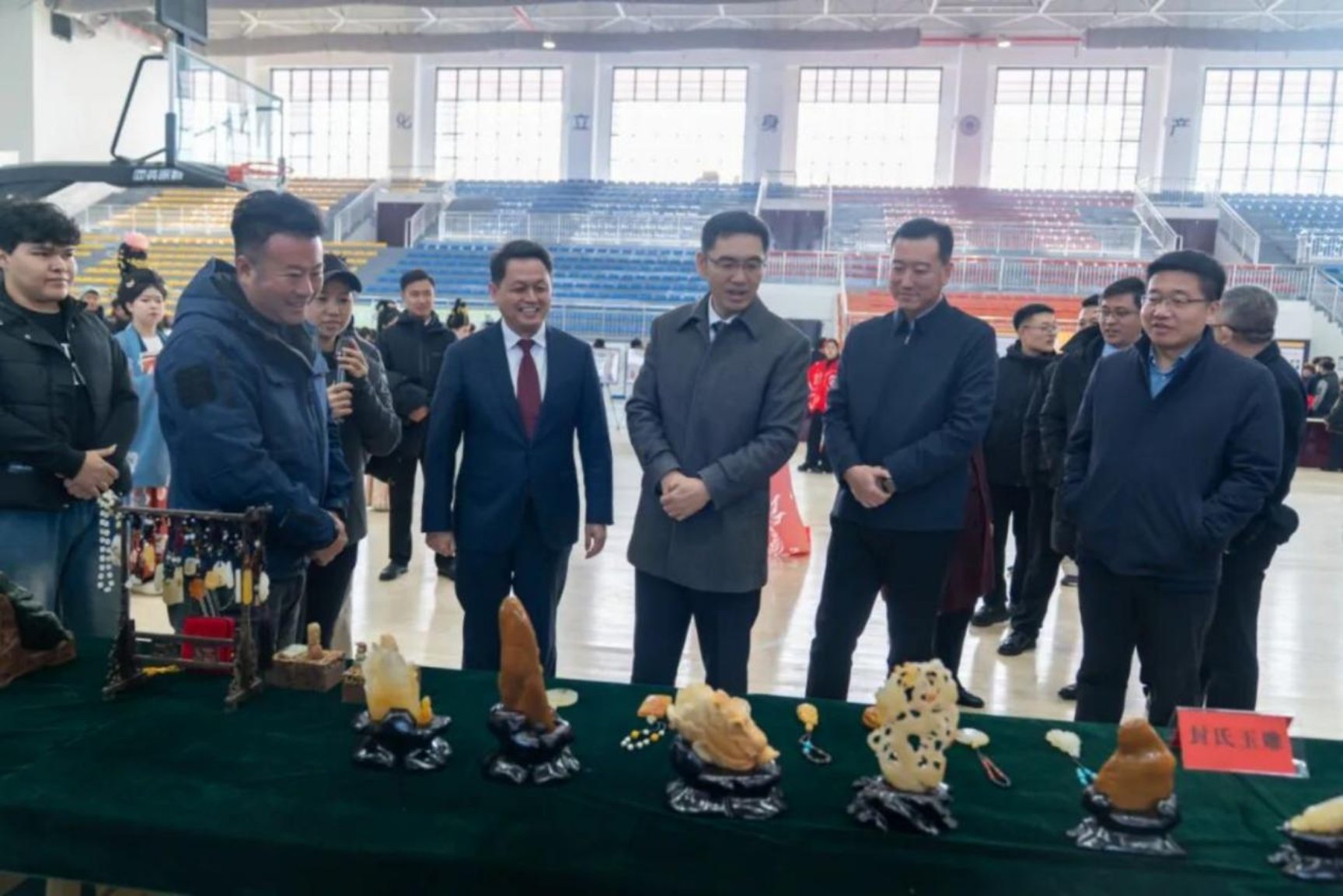
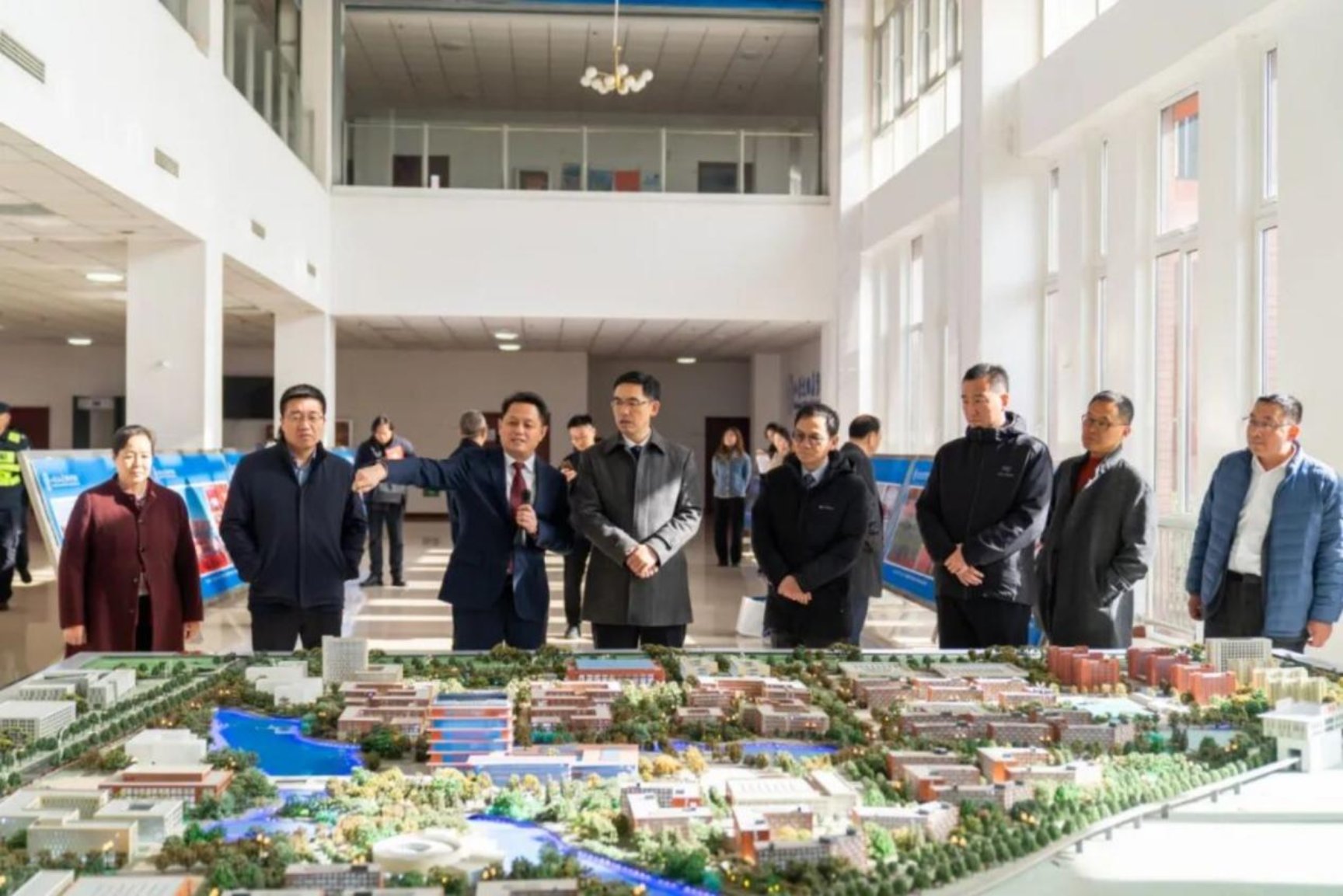
Prior to the ceremony, attendees first viewed a video showcasing APEC member states' achievements in intangible cultural heritage (ICH) preservation, gaining firsthand insight into the distinctive appeal and conservation outcomes of ICH across these economies. The establishment of the APEC ICH Research Center not only exemplifies the Global Civilization Initiative but also pioneers new pathways for ICH transmission and development in the Asia-Pacific region. This initiative will help ICH, as a shared human heritage, radiate greater brilliance in the new era, contributing cultural strength to building a community with a shared future for mankind.