

President of China Cultural Heritage Association (Taiwan) Wang Xinli Visits SCIVC for Inspection and Exchange
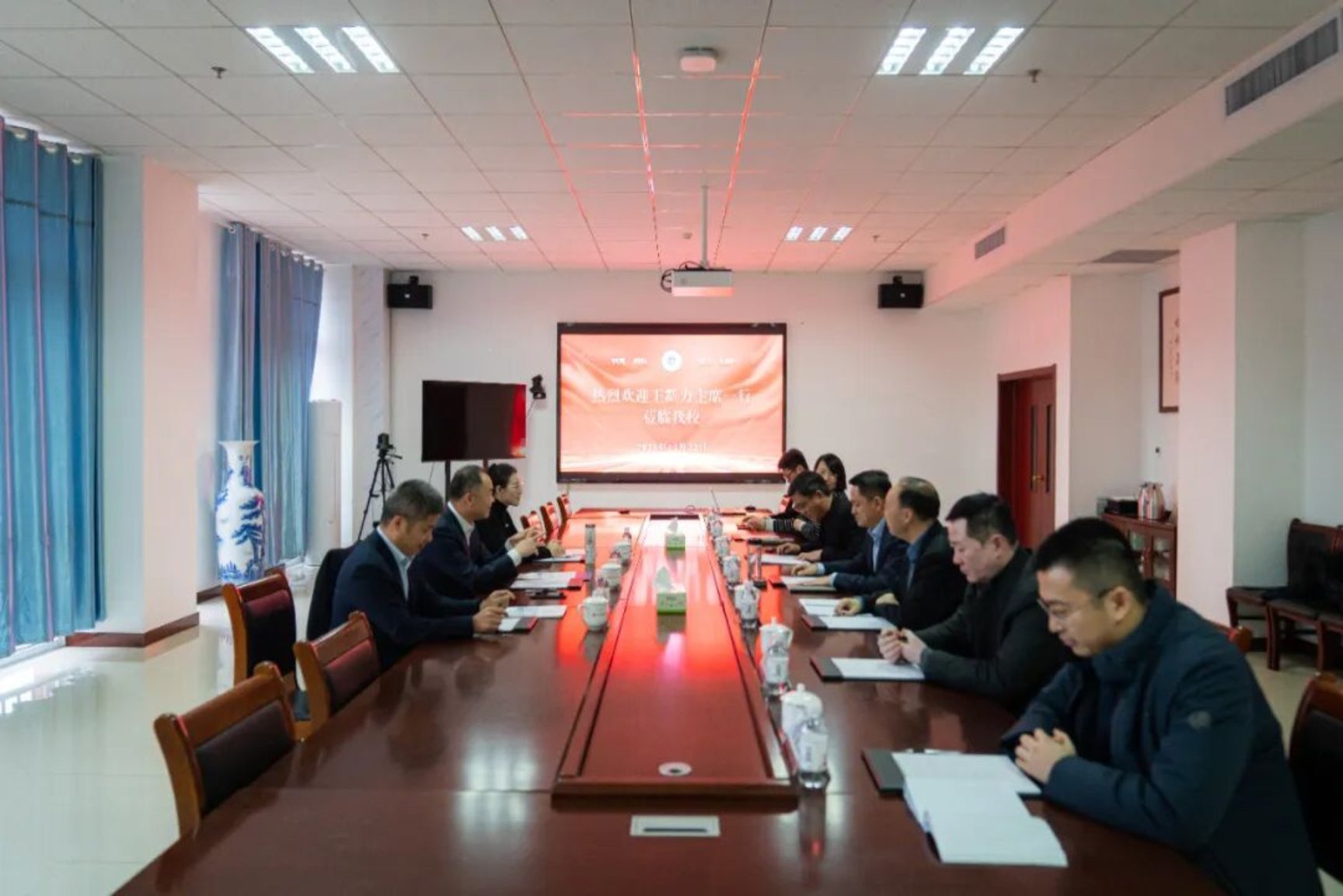
On December 22, Wang Xinli, advisor to the Training Center of the Taiwan Affairs Office of the CPC Central Committee, chairman of the China Cultural Heritage Association (Taiwan), chairman of the Taiwan Advantageous Industries Foreign Cooperation Committee, and member of the Standing Committee of the Shandong Provincial Committee of the Chinese People's Political Consultative Conference, led a delegation to visit our college for inspection and exchange. Zhang Xu, director of the Taiwan Wudengyi Art Museum, and Cong Xiaohua, director of the Beijing Office of the China Cultural Heritage Association (Taiwan), accompanied the delegation. The college's chairman Li Jingping, president Cao Shengqiang, assistant president Xu Yuguo, and heads of relevant departments warmly received the delegation. Both sides engaged in in-depth discussions on core issues such as deepening the integration of industry and education in the cultural sector, reaching broad consensus on cooperation.

At the symposium, Chairman Li Jingping extended a warm welcome to Wang Xinli's delegation and provided a comprehensive overview of the institution's historical evolution, academic programs, industry-education integration, and educational achievements. He emphasized the school's deep-rooted commitment to vocational education in the cultural industry and its current focus on advancing high-quality vocational development. Recognizing the school's unique strengths and growth potential in this sector, Li expressed confidence in the promising collaboration between the two parties. He earnestly requested Chairman Wang Xinli to offer valuable insights for the school's future development.
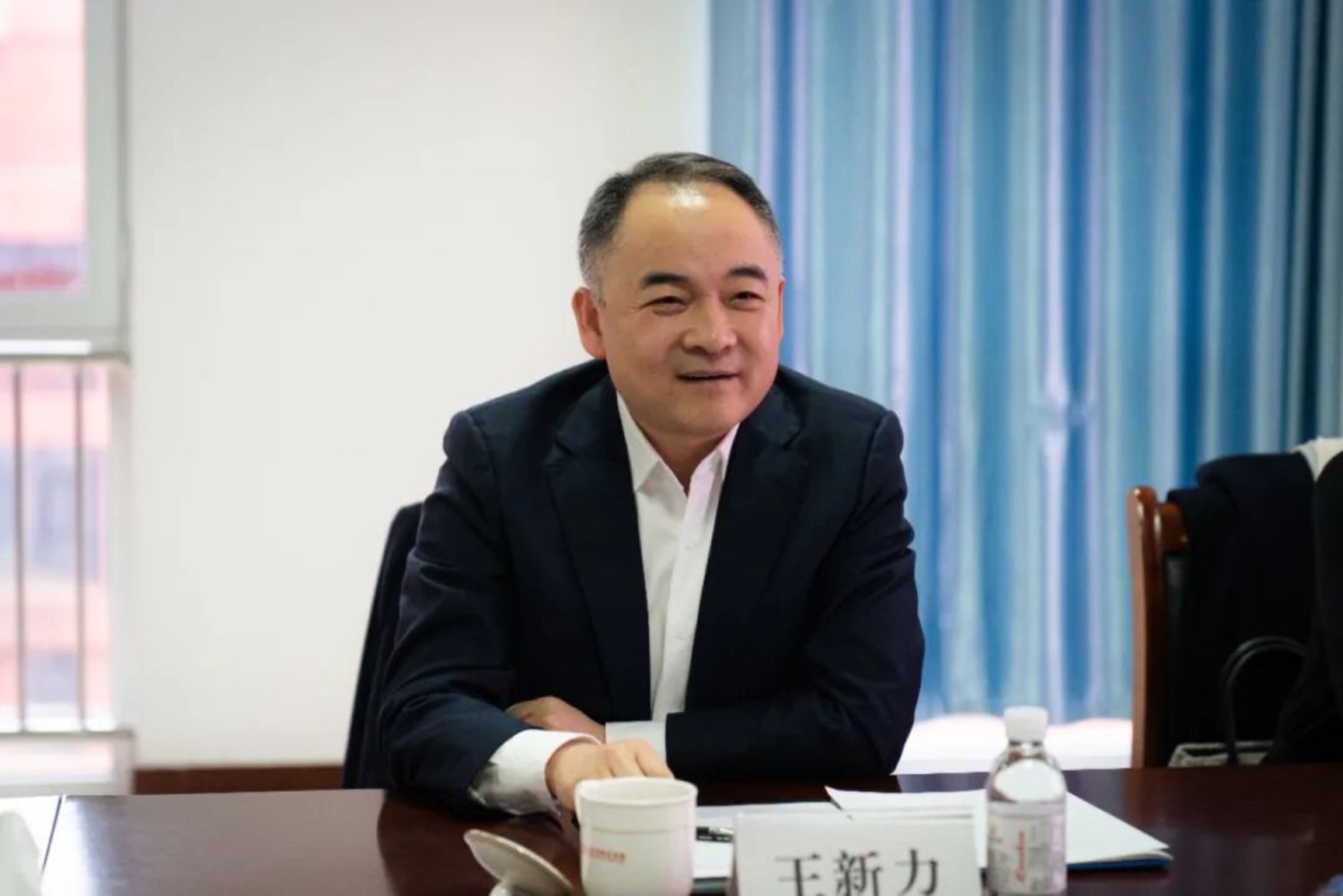
Wang Xinli expressed gratitude for the warm reception at SDCIVC and introduced the organizational profile of the China Cultural Heritage Association (Taiwan) and its series of important activities in promoting cross-strait cultural exchanges. He shared the association's successful experience in building high-quality resource platforms in fields such as education and healthcare, as well as promoting mutual learning and progress in cross-strait education. Drawing on his extensive experience, he also offered constructive suggestions on the professional development and future direction of the school.
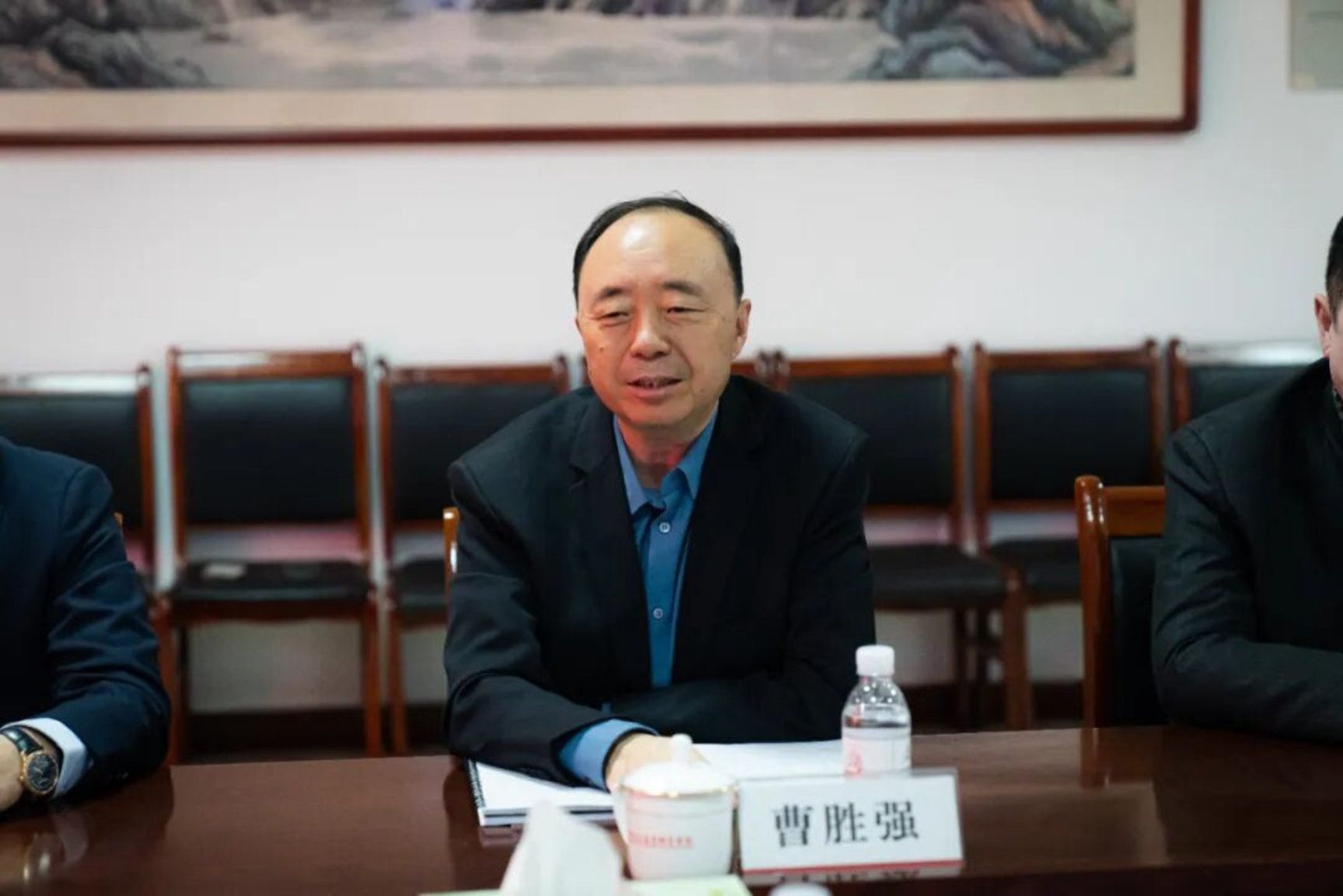
Cao Shengqiang fully appreciated the positive contributions made by the China Cultural Heritage Association (Taiwan) in promoting cross-strait cultural exchanges over the long term. Focusing on the school's core educational layout of "enriching culture, strengthening industry, and invigorating commerce," he highlighted the construction of high-level professional clusters, talent cultivation models, and the work plan for the Asia-Pacific Economic Cooperation (APEC) National Intangible Cultural Heritage Research Center jointly established with the China Foreign Languages Publishing Administration in 2026. He expressed hope that this visit would serve as an important opportunity for both sides to further deepen cooperation, jointly build a high-quality platform for cross-strait cultural exchanges and industry-education integration, and contribute to the inheritance and development of Chinese culture.
Zhang Xu, director of Taiwan Wudengyi Art Museum, and Qian Pinhui, dean of the School of Fine Arts and Art Design, delivered speeches on topics including the protection and inheritance of cultural heritage, the innovative development of intangible cultural heritage, and the collaborative cultivation of cultural talents through college-enterprise cooperation.
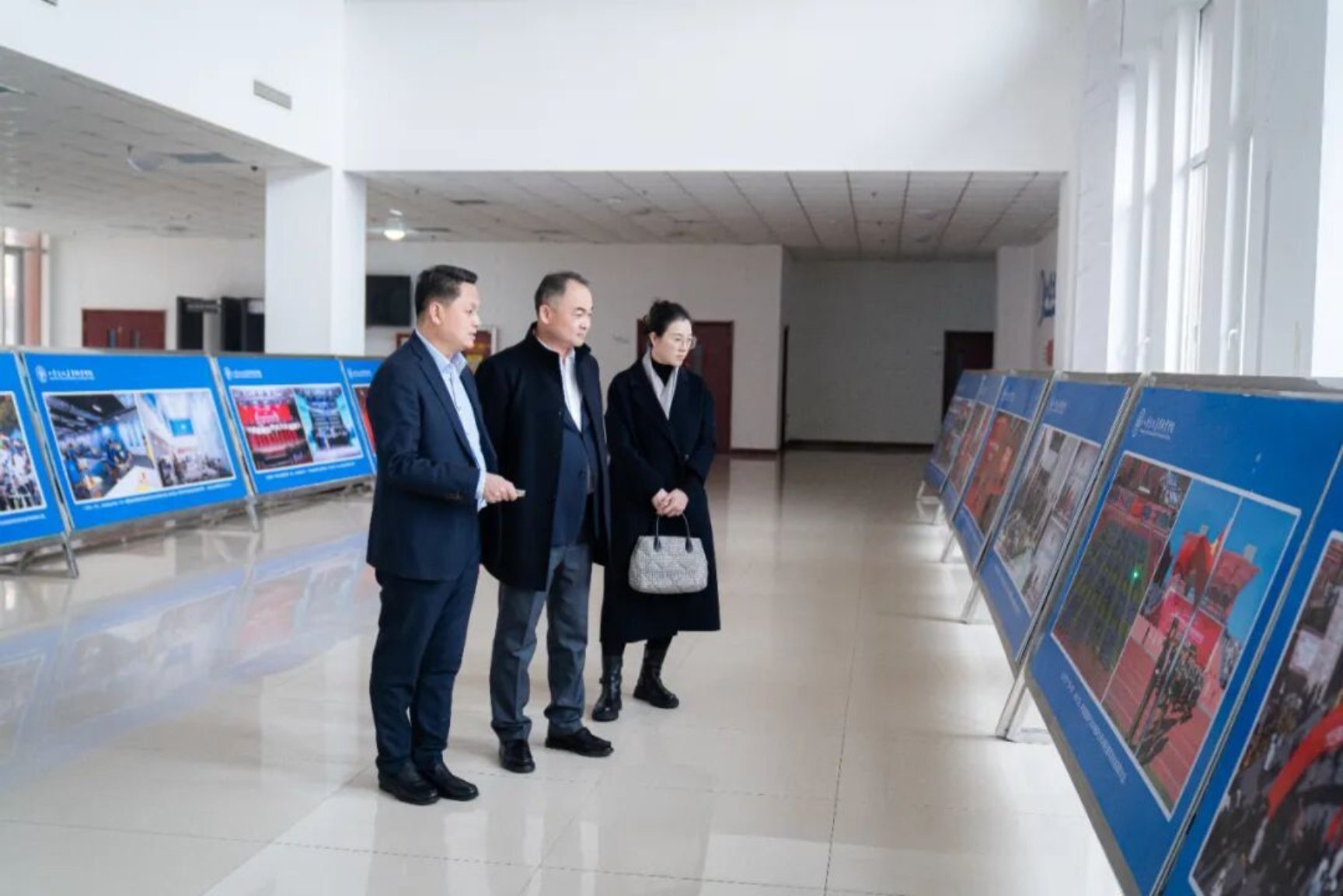
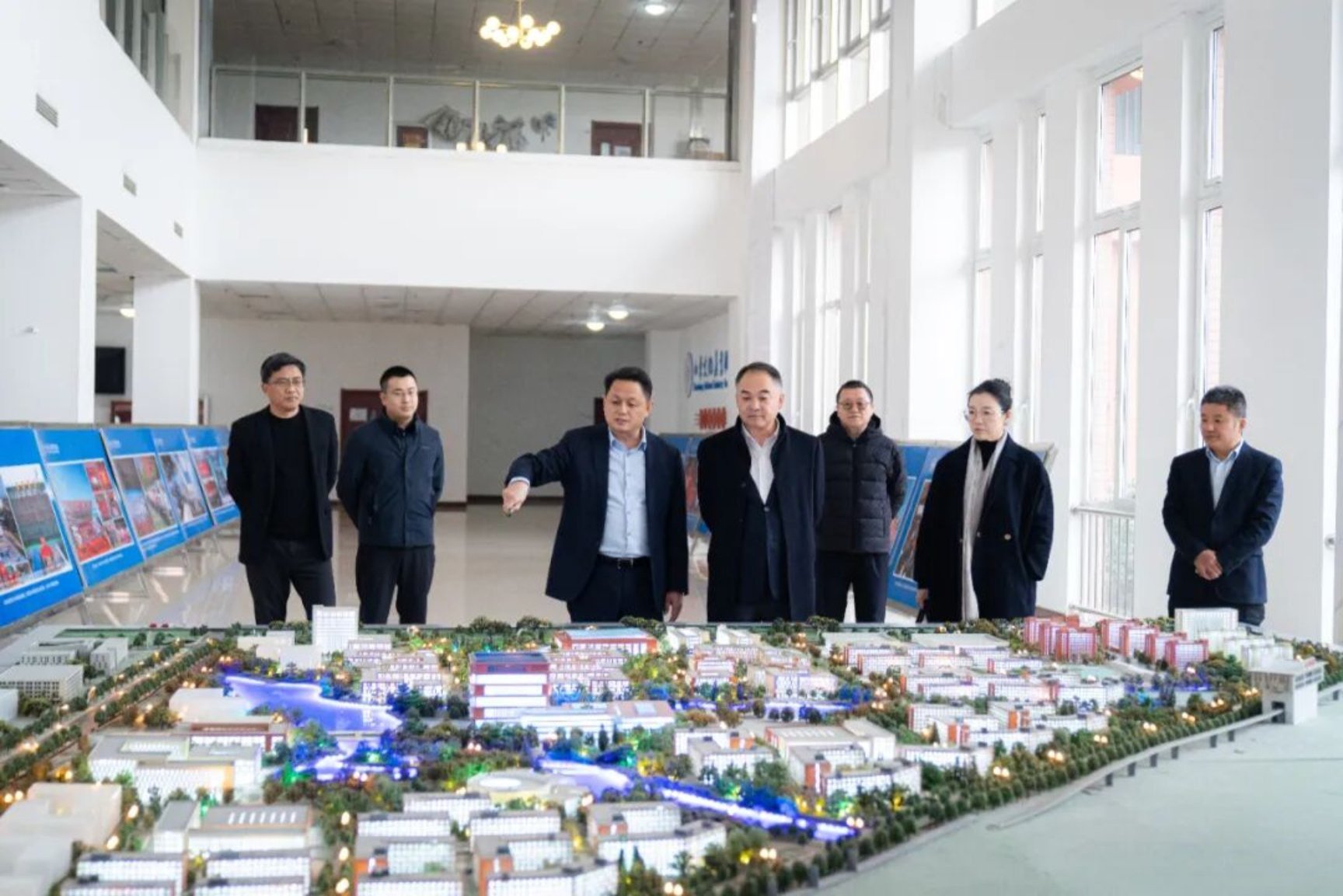
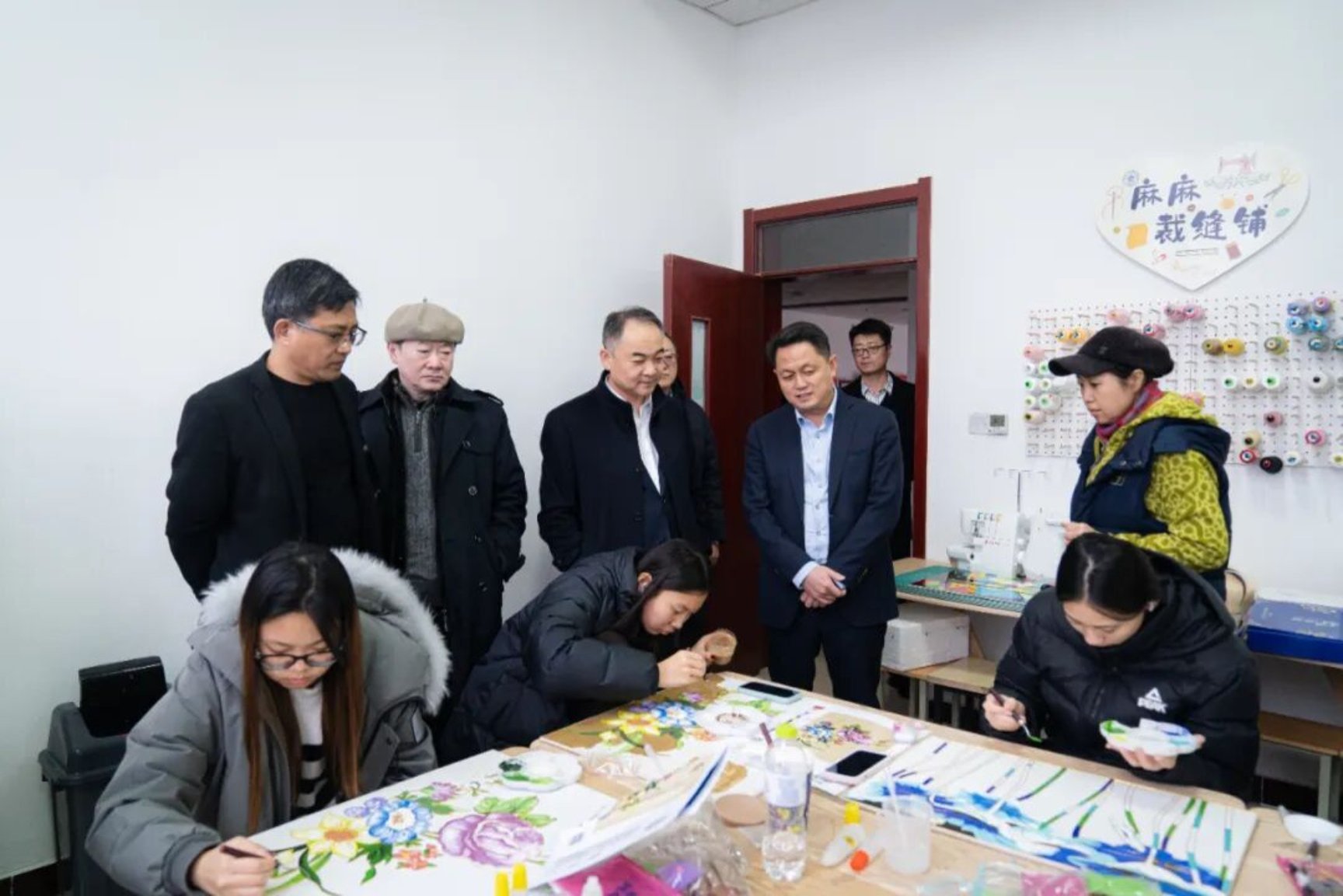
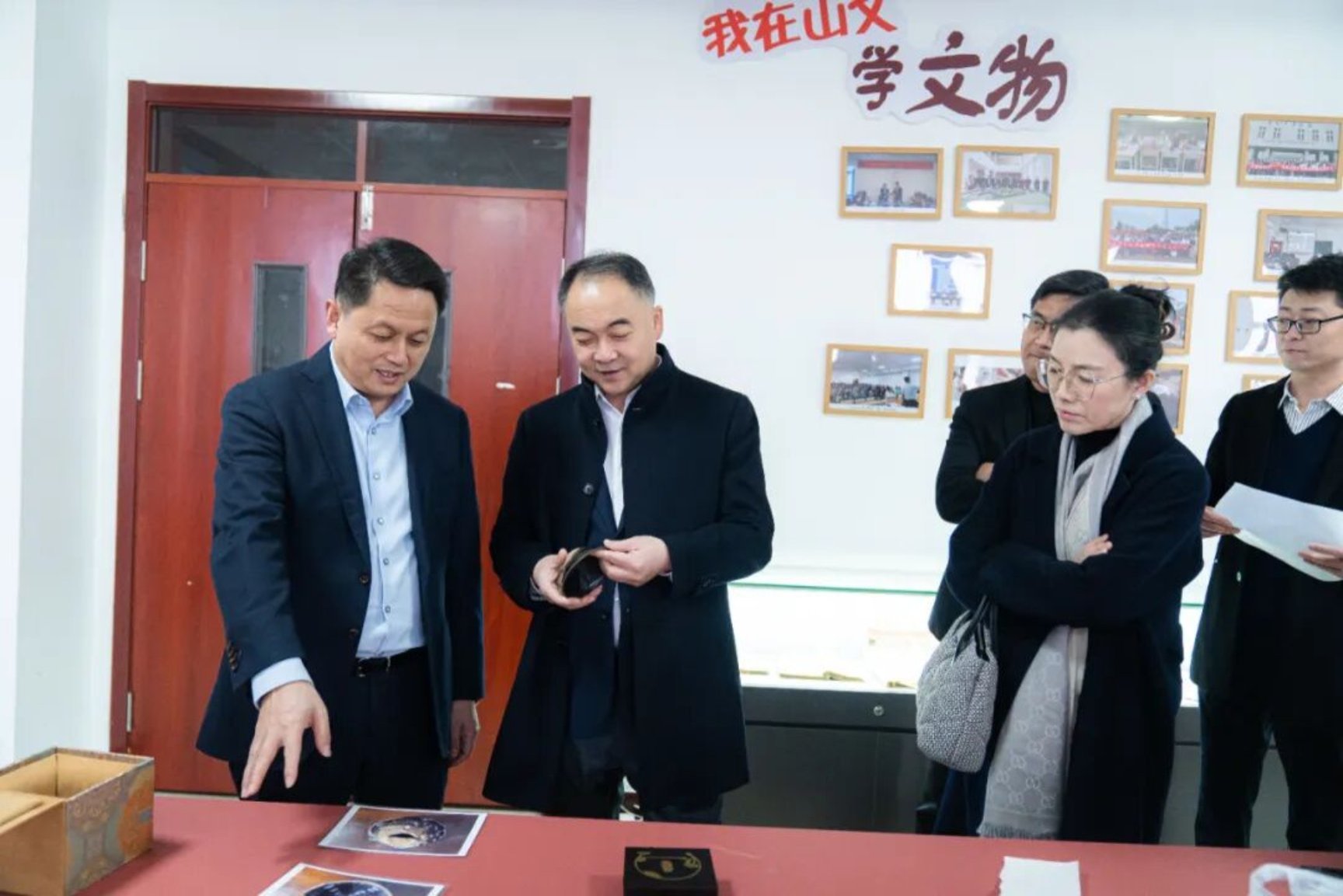
Prior to the symposium, Wang Xinli and his delegation toured the school's comprehensive building planning model to gain a holistic understanding of its layout and development blueprint. They then visited the Intangible Cultural Heritage Studio and Cultural Relics Restoration Training Lab at the School of Fine Arts and Art Design, where they examined students' professional practice projects firsthand. This immersive experience highlighted the school's concrete measures and remarkable achievements in integrating cultural heritage education with professional practice. The delegation highly commended the institution's educational philosophy of "Cultural Foundation, Industrial Service to the Nation."