

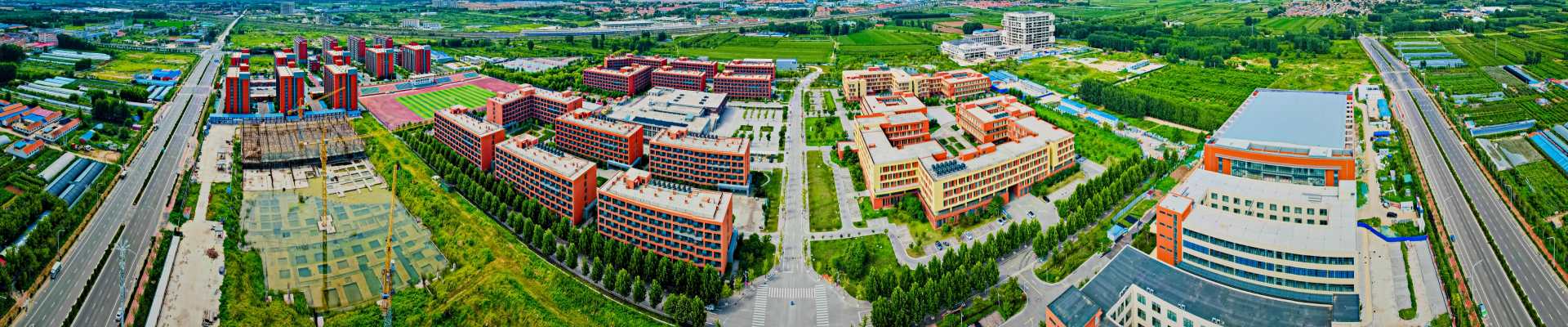
Leadership Visits Jining Medical University for Exchange
To deepen inter-university collaboration, exchange educational experiences, and discuss new opportunities for industry-education integration and regional development, on December 18, the school's Chairman Li Jingping and President Cao Shengqiang led a delegation to Jining Medical University for an exchange visit. The delegation was warmly received by the university's Party Committee Secretary Lu Guohua, Deputy Party Committee Secretary Zhang Xianlei, and other leaders.
The delegation conducted an on-site visit to the Taibai Lake Campus of Jining Medical University, followed by a symposium in the first conference room of the administrative office building. The delegation also viewed a promotional video of Jining Medical University. Established in 1952, Jining Medical University has been dedicated to the medical field for over 70 years. It currently offers three master's degree programs and boasts two nationally first-class undergraduate programs in clinical medicine and psychiatry. Its clinical medicine program ranks among the top 5‰globally in ESI, while its psychiatry program has been rated as a nationally A++ applied discipline. The university demonstrates robust academic strength and distinctive characteristics.
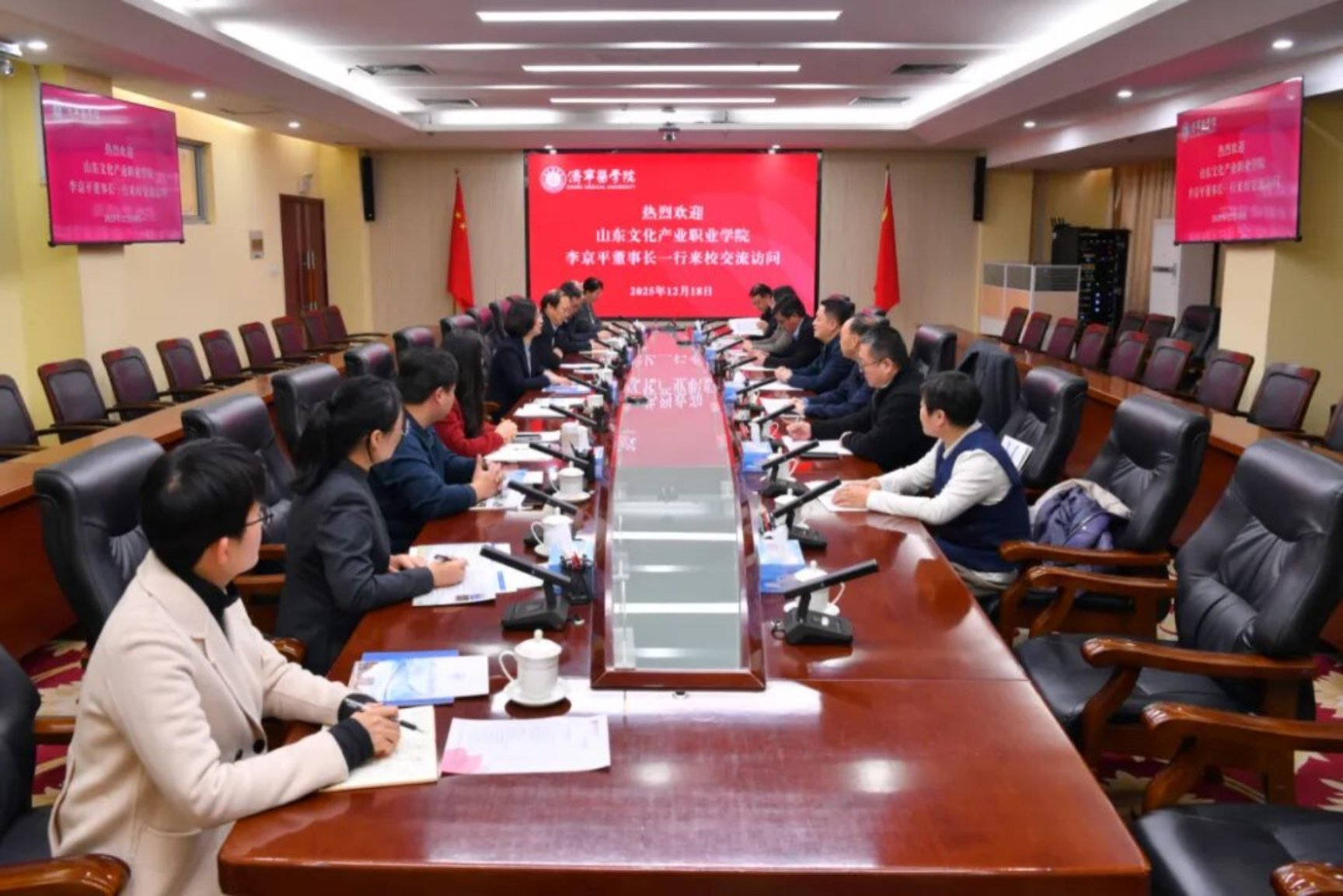
At the symposium, Lu Guohua, representing Jining Medical College, extended a warm welcome to Li Jingping and Cao Shengqiang's delegation. She commended Shandong Cultural Industry Vocational College for its remarkable achievements in recent years, particularly in institutional development, talent cultivation, industry-education integration, and talent recruitment. Lu expressed hope that the two institutions could identify precise collaboration opportunities and deepen cross-sectoral exchanges, wishing both parties to achieve new breakthroughs in high-quality development during the 15th Five-Year Plan period.
Zhang Xianlei elaborated on the educational achievements and practical explorations of Jining Medical University from multiple dimensions, including historical evolution, teaching and education, scientific research, faculty development, social services, party building, cultural construction, and cooperation and exchange. He also outlined the university's development strategy for the next five years, aiming to' fully establish a distinctive and high-level medical university.'
Li Jingping expressed gratitude for the warm reception from Jining Medical College and briefly introduced the development history, educational characteristics, and core advantages of Shandong Cultural Industry Vocational College. He stated that in recent years, the college has formed a distinctive professional construction layout with prominent cultural features, outstanding engineering advantages, and coordinated development across multiple disciplines. It has established three provincial-level high-level professional clusters and co-built the first modern industrial college in Shandong Province with Huawei, steadily enhancing its educational strength. He pointed out that the college's medical and health-related programs are large in scale and developing rapidly, coinciding with Qingdao's promotion of the "China Kangwan" construction strategy. He looks forward to deepening cooperation with Jining Medical College to better serve regional economic and social development.
During the exchange, Cao Shengqiang highly commended Jining Medical University for its dedication to medical education, commitment to social service missions, comprehensive disciplinary system, and high-quality educational standards. He noted that Jining Medical University boasts a highly qualified faculty team and has achieved remarkable educational outcomes, which are worthy of study and emulation. He expressed hope that the two universities could promptly establish a strategic partnership, focusing on core areas such as joint talent cultivation, faculty development, and collaborative research projects. Through resource sharing and complementary strengths, they could jointly explore new models of inter-university cooperation and industry-education integration, thereby nurturing more high-quality applied talents for regional industrial development.
Participants from both sides held in-depth discussions on specific cooperation areas including joint professional development, shared training bases, and graduate employment coordination, reaching multiple consensus points.
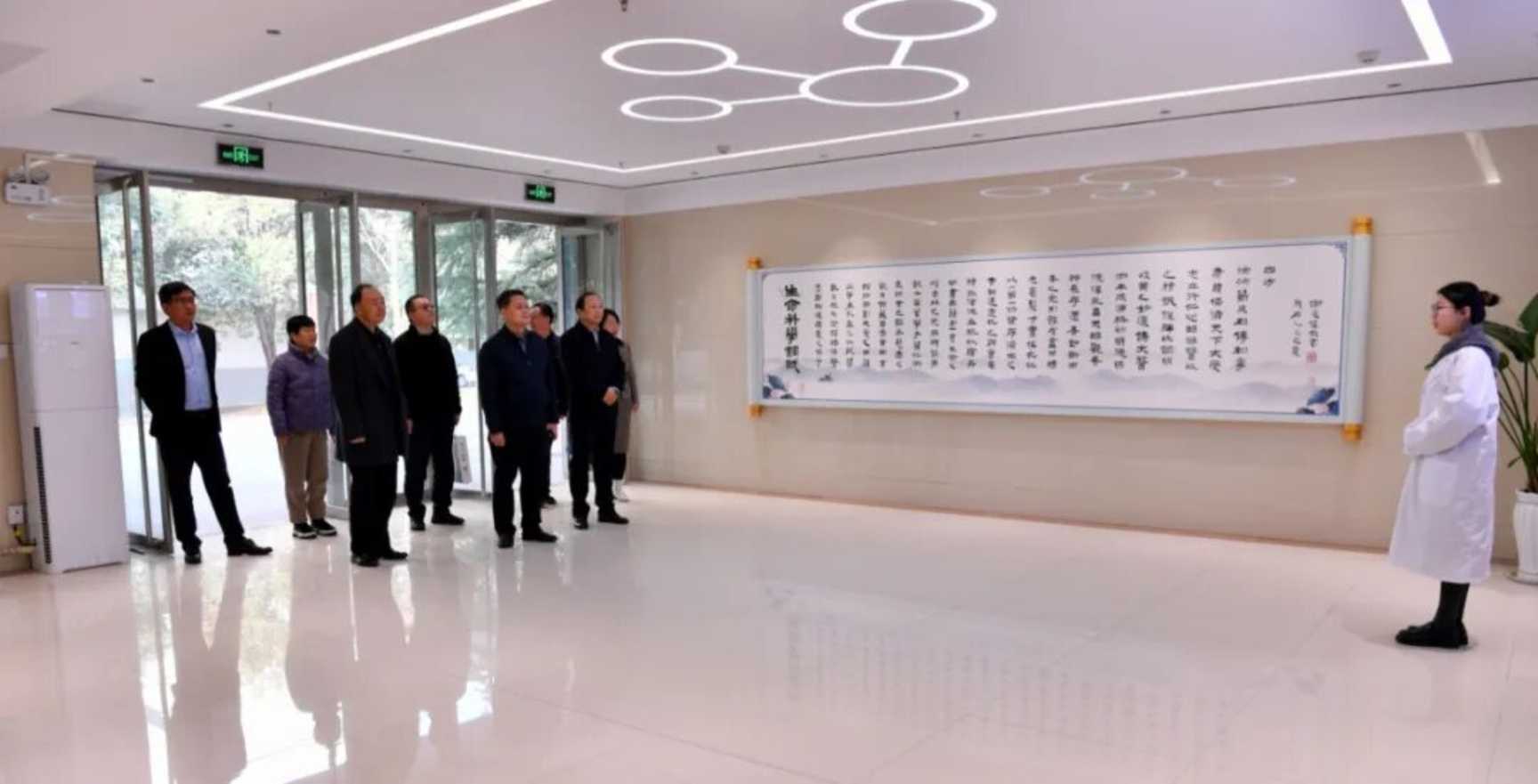
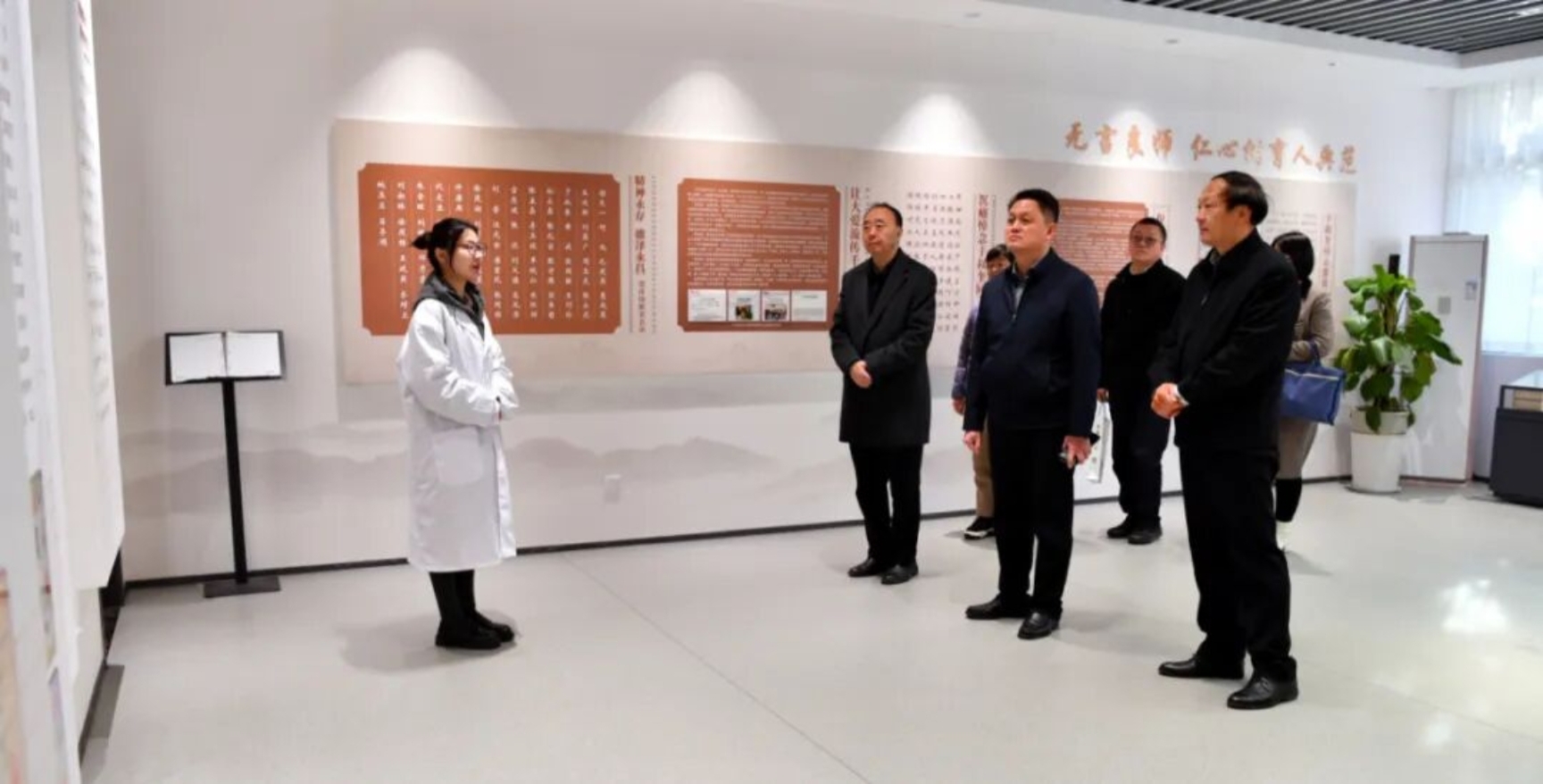
Prior to the symposium, the delegation conducted an on-site visit to the development status and planning of Taibaihu Campus of Jining Medical University. They thoroughly toured the Life Science Museum, gaining a firsthand understanding of the institution's profound academic heritage, robust practical teaching capabilities, and commitment to societal service.
Next, the two institutions will establish a regular communication mechanism to expedite the signing of strategic cooperation agreements, refine collaborative initiatives such as joint talent cultivation, research collaboration, and shared practical training resources, and jointly contribute educational efforts to the high-quality development of the regional economy and society.