


Our University Successfully Hosted the APEC Countries Symposium on Intangible Cultural Heritage Research
Preserving the Roots of Intangible Cultural Heritage and Promoting Civilizational Exchange!
As the spring tide surges to herald a new journey, cultural heritage continues to evolve toward the future. From March 28 to 29, the symposium titled "Preserving Intangible Cultural Heritage Roots and Promoting Civilizational Exchange: New Perspectives on Intangible Cultural Heritage Research in APEC Countries" was successfully held at our university.
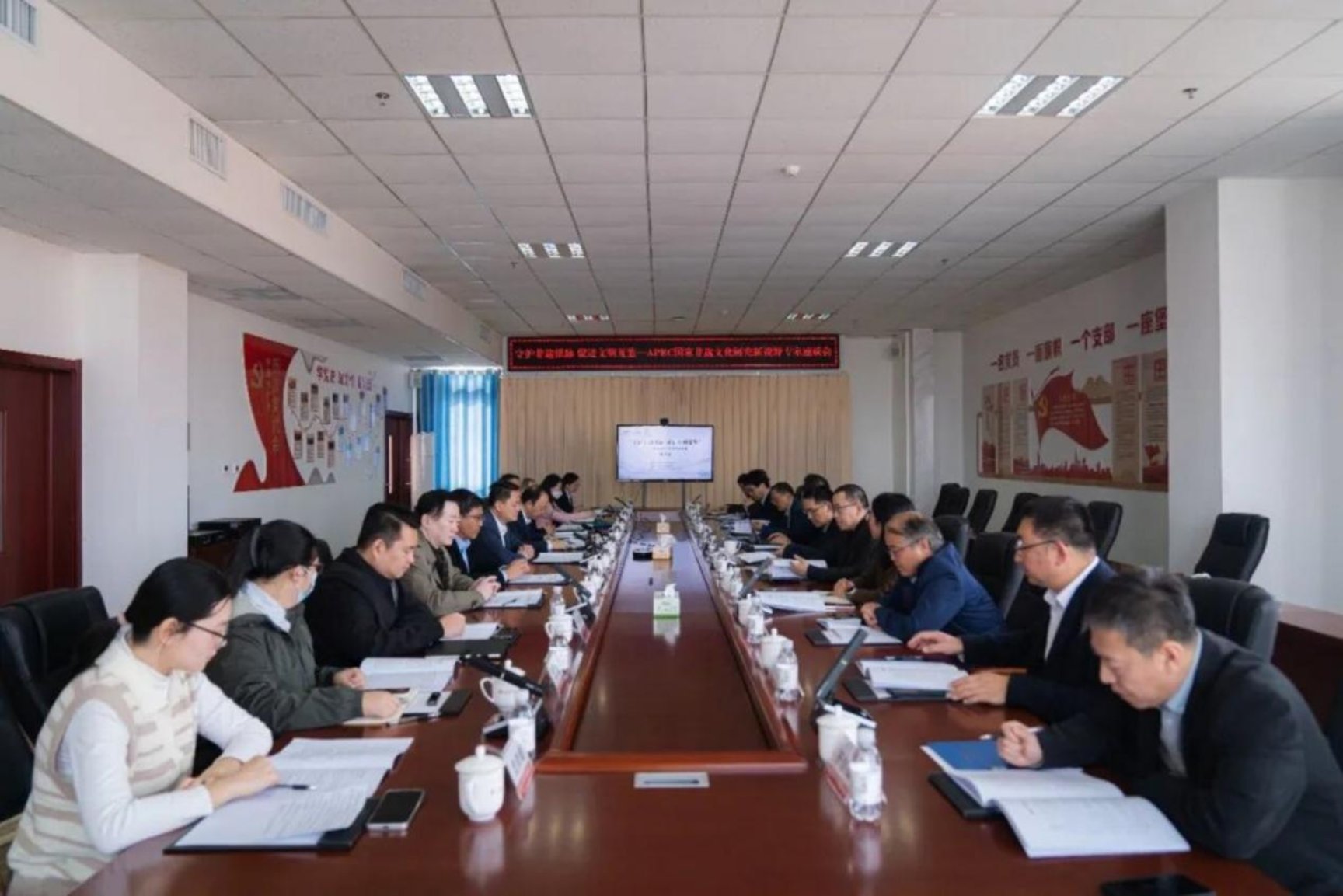
Yang Jianping, Director of the Asia-Pacific Communication Center at China Foreign Languages Publishing Administration; Jiang Limin, Deputy Secretary-General of the All-China Esperanto Association; Professor Du Xiaofan from Fudan University; Dr. Wang Hu from Xiamen University; Vice President Chu Fumin from Zaozhuang University; Cai Yumin, Chief Editor of Global Times; Zhao Shaofeng, Dean of the School of History, Culture and Tourism at Liaocheng University; Dr. Qi Shande, and more than ten other renowned experts and scholars attended the meeting. Li Jingping, Chairman of our university; President Cao Shengqiang; President Assistant Xu Yuguo; and key faculty members were present. The meeting was chaired by President Cao Shengqiang of our university.
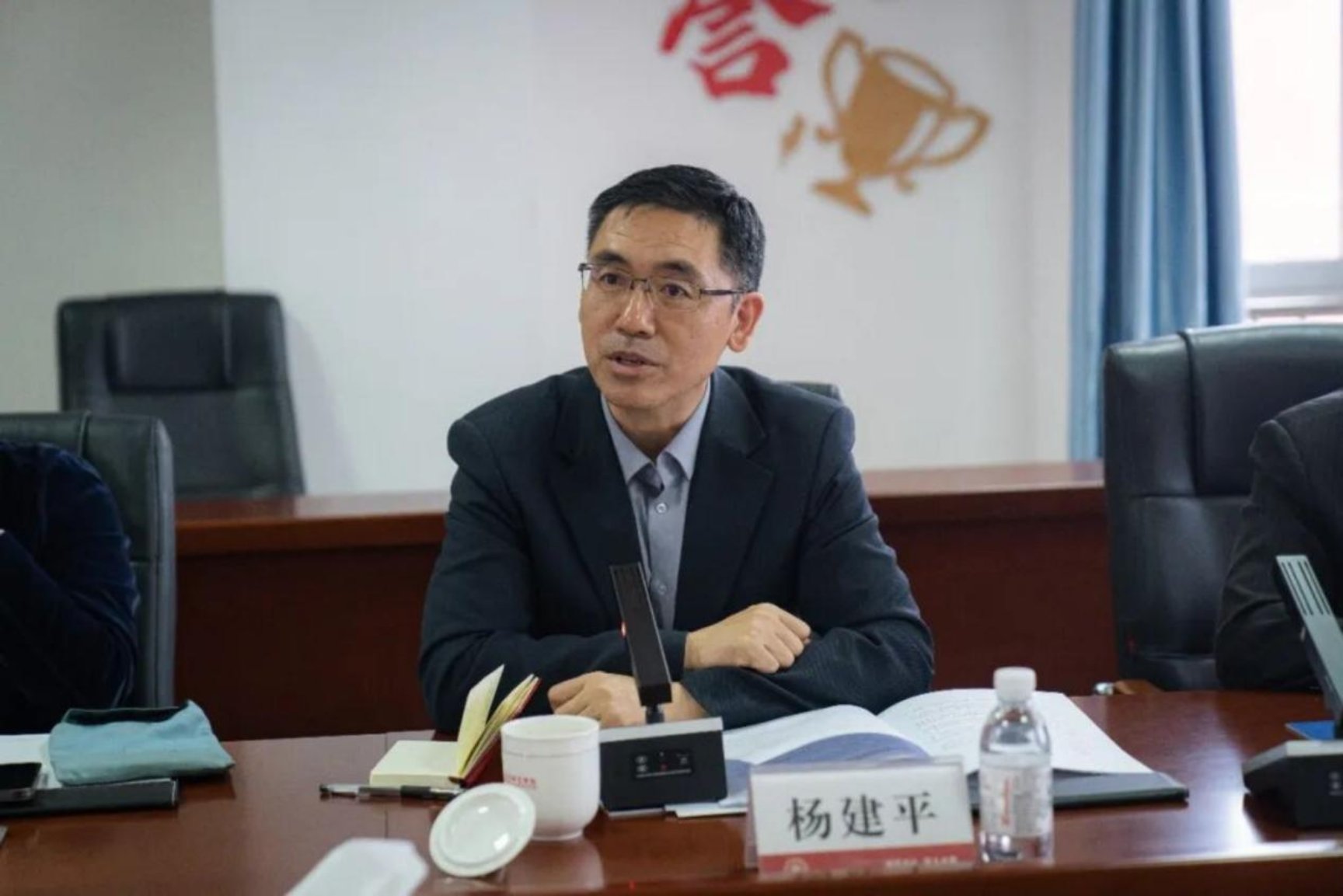
Yang Jianping affirmed the preparatory meetings of our university and the achievements in in-depth research on intangible cultural heritage. He pointed out that the Asia-Pacific Communication Center is an international communication complex with media attributes oriented towards the Asia-Pacific region. Over the years, it has carried out a series of cultural exchange and mutual learning activities, making active efforts to promote cultural exchanges and mutual learning between China and foreign civilizations. He emphasized that the 33rd APEC Meeting in Shenzhen in 2026 is an important opportunity to showcase China's culture and promote cultural exchanges in the Asia-Pacific region. The Asia-Pacific Communication Center will deepen cooperation with our university to jointly advance research on intangible cultural heritage in Asia-Pacific countries, promote the protection, inheritance, and international dissemination of intangible cultural heritage, and enable intangible cultural heritage to play a greater role in strengthening cultural confidence and fostering mutual learning among civilizations in the Asia-Pacific region.
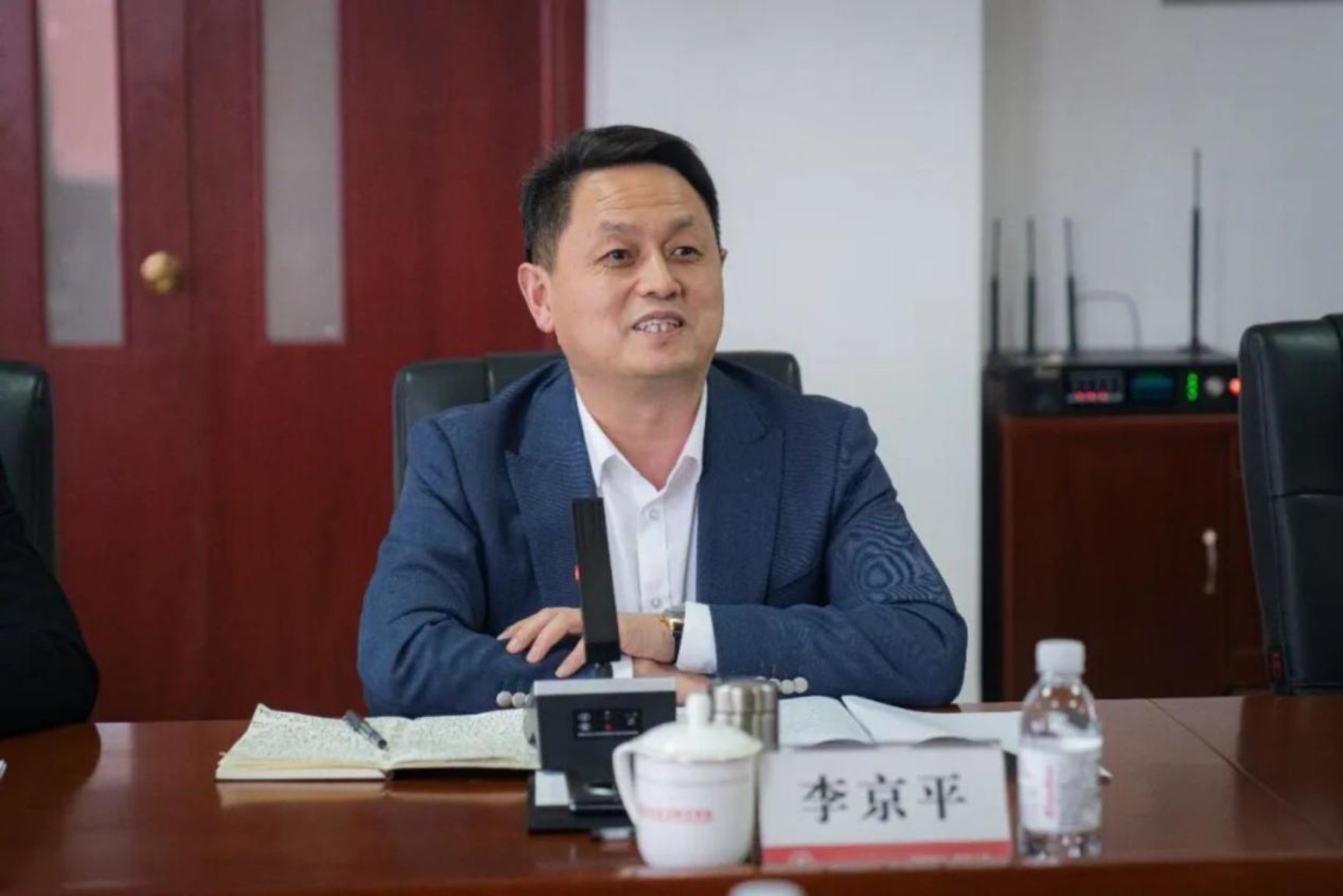
In his address, Li Jingping extended warm welcome and sincere gratitude to all attending leaders and experts. He emphasized that intangible cultural heritage (ICH) serves as the cultural roots and civilizational legacy of a nation, acting as both a cornerstone for cultural confidence and a vital bridge for cross-civilizational exchange. Our university has dedicated extensive research to cultural industries and ICH preservation. Building upon the ICH Culture Research Center, we will actively establish collaborative platforms to jointly advance ICH conservation and transmission with stakeholders, thereby contributing academic expertise to fostering cultural dialogue and strengthening cultural confidence across the Asia-Pacific region.
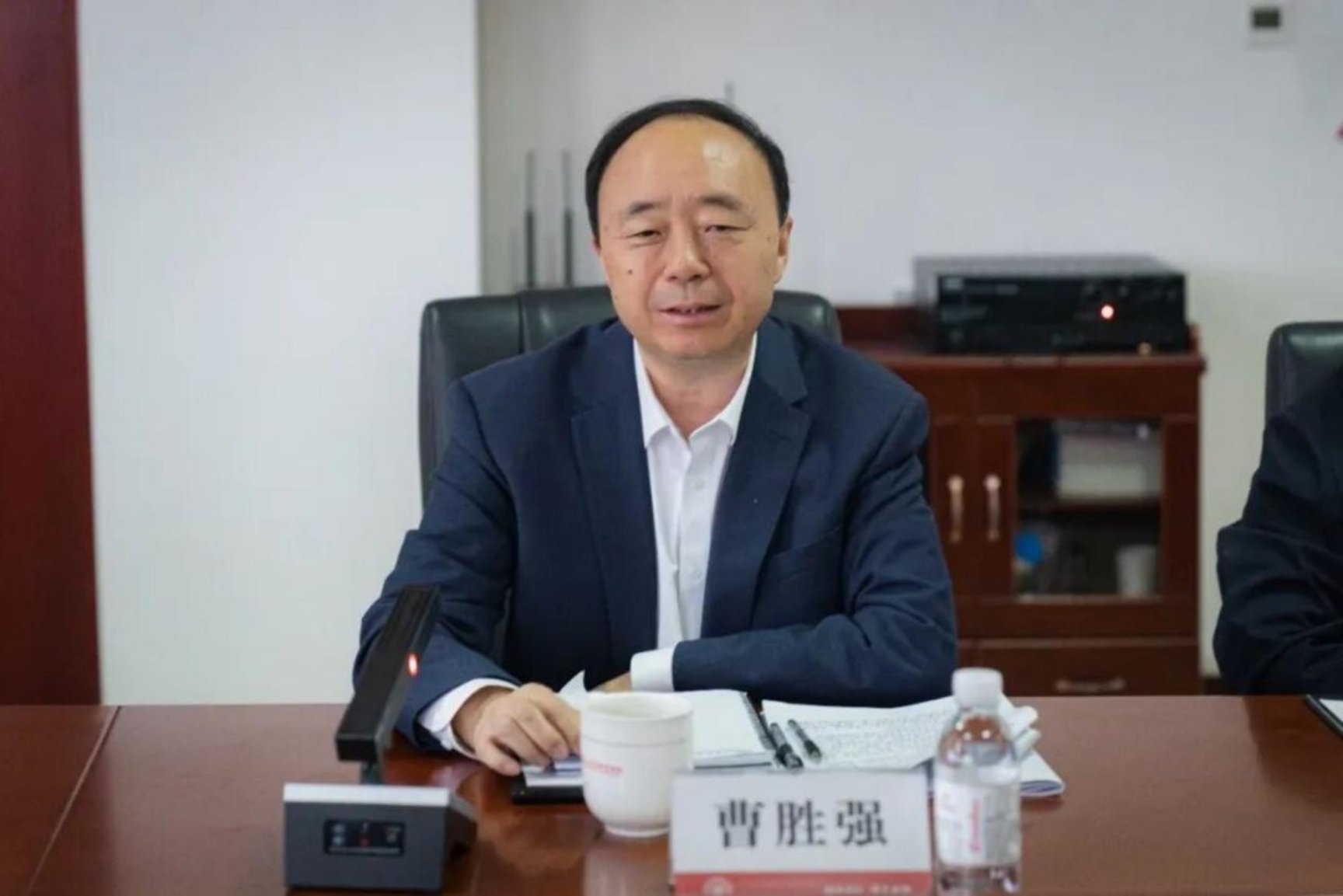
Cao Shengqiang introduced during the hosting that the 2026 APEC "China Year" provides a rare opportunity for cultural exchange and intangible cultural heritage research in the Asia-Pacific region. Our university has jointly established the APEC Countries Intangible Cultural Heritage Research Center with the Asia-Pacific Communication Center of China Foreign Languages Publishing Administration, aiming to deepen collaborative efforts in intangible cultural heritage research and better promote its dissemination abroad. This symposium is not only a practical initiative to pool academic wisdom and discuss book compilation work, but also an important measure to promote cultural exchange and mutual learning among civilizations through intangible cultural heritage, rooted in the Asia-Pacific region and with a global perspective.
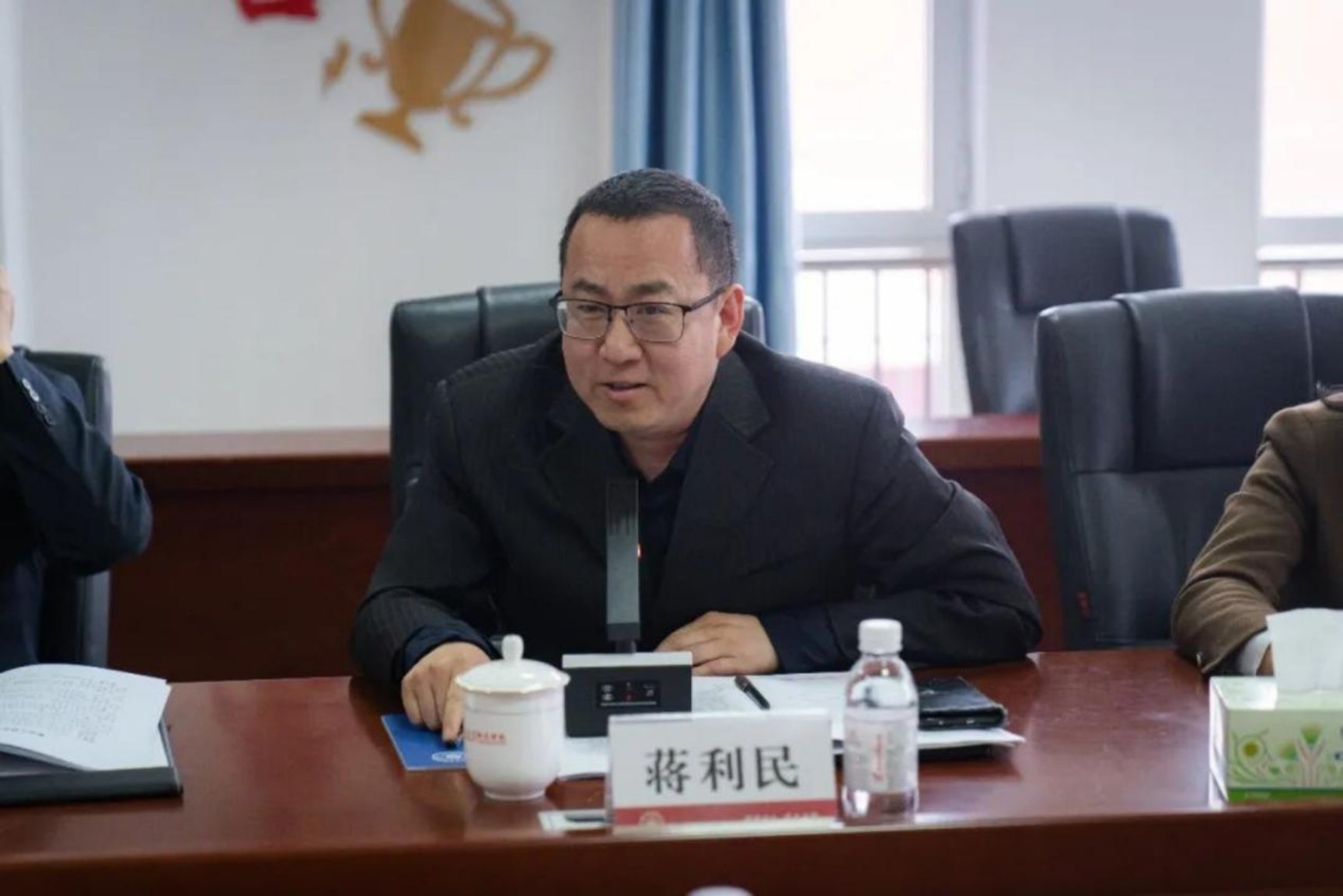
Jiang Limin
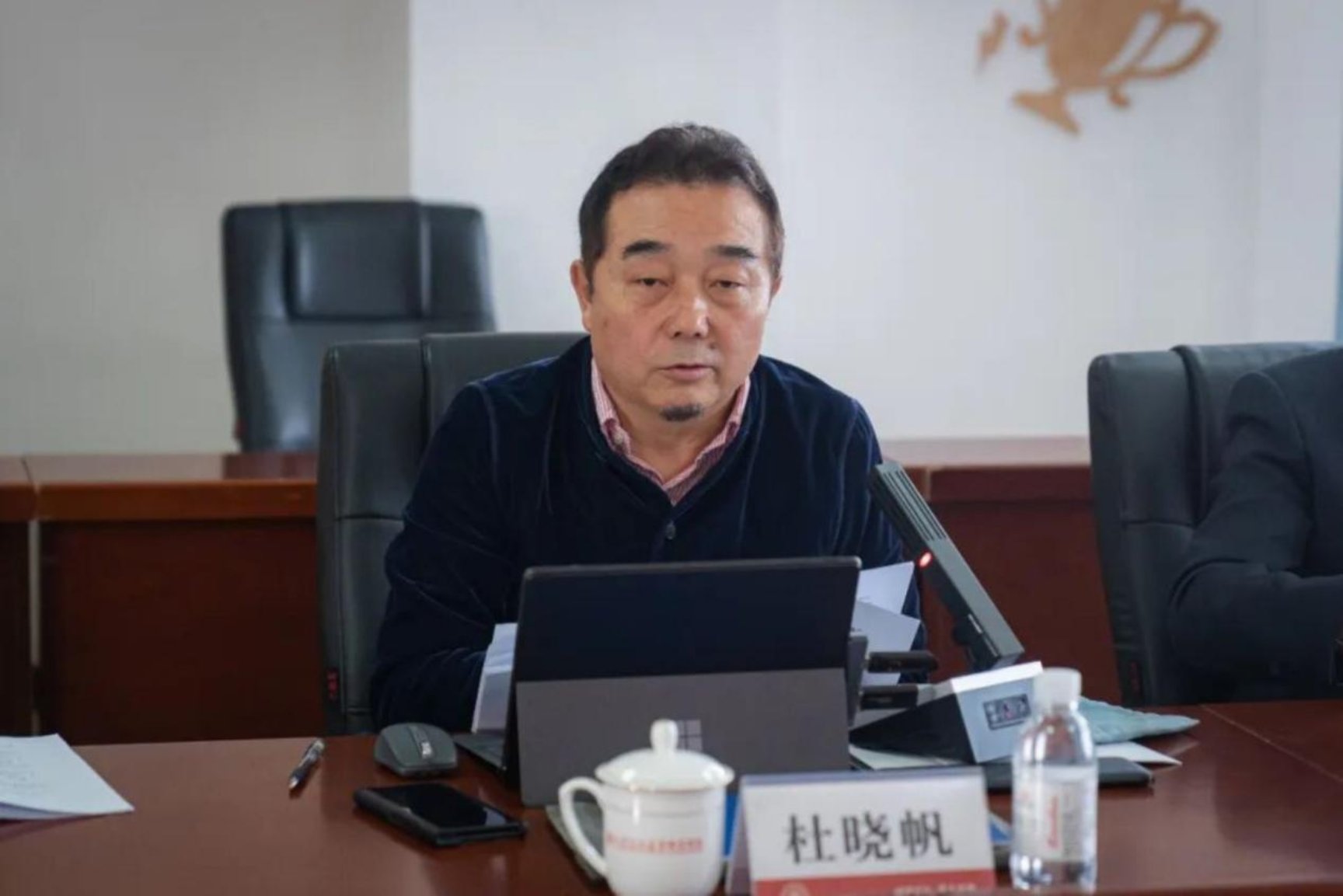
Du Xiaofan
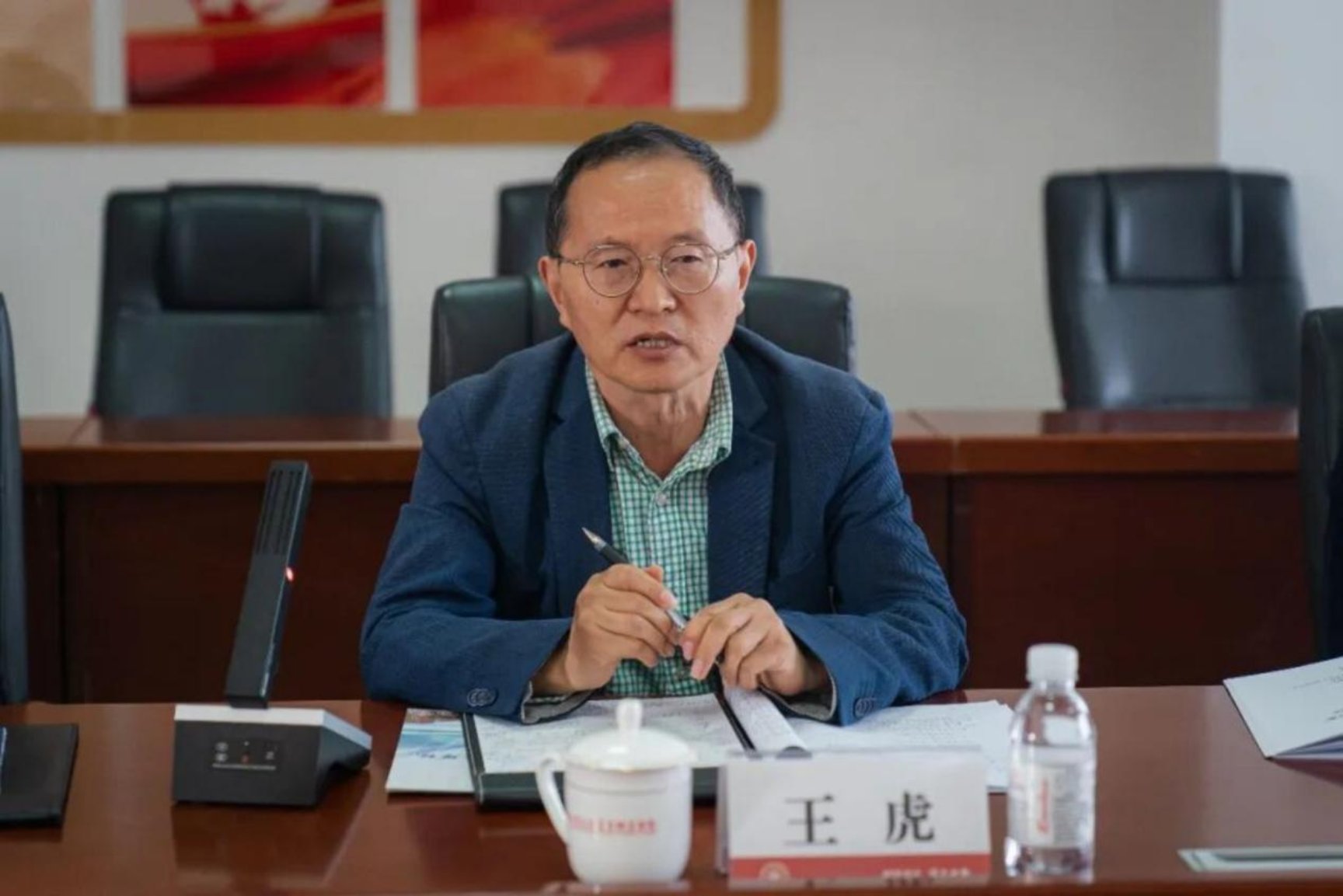
Wang Hu
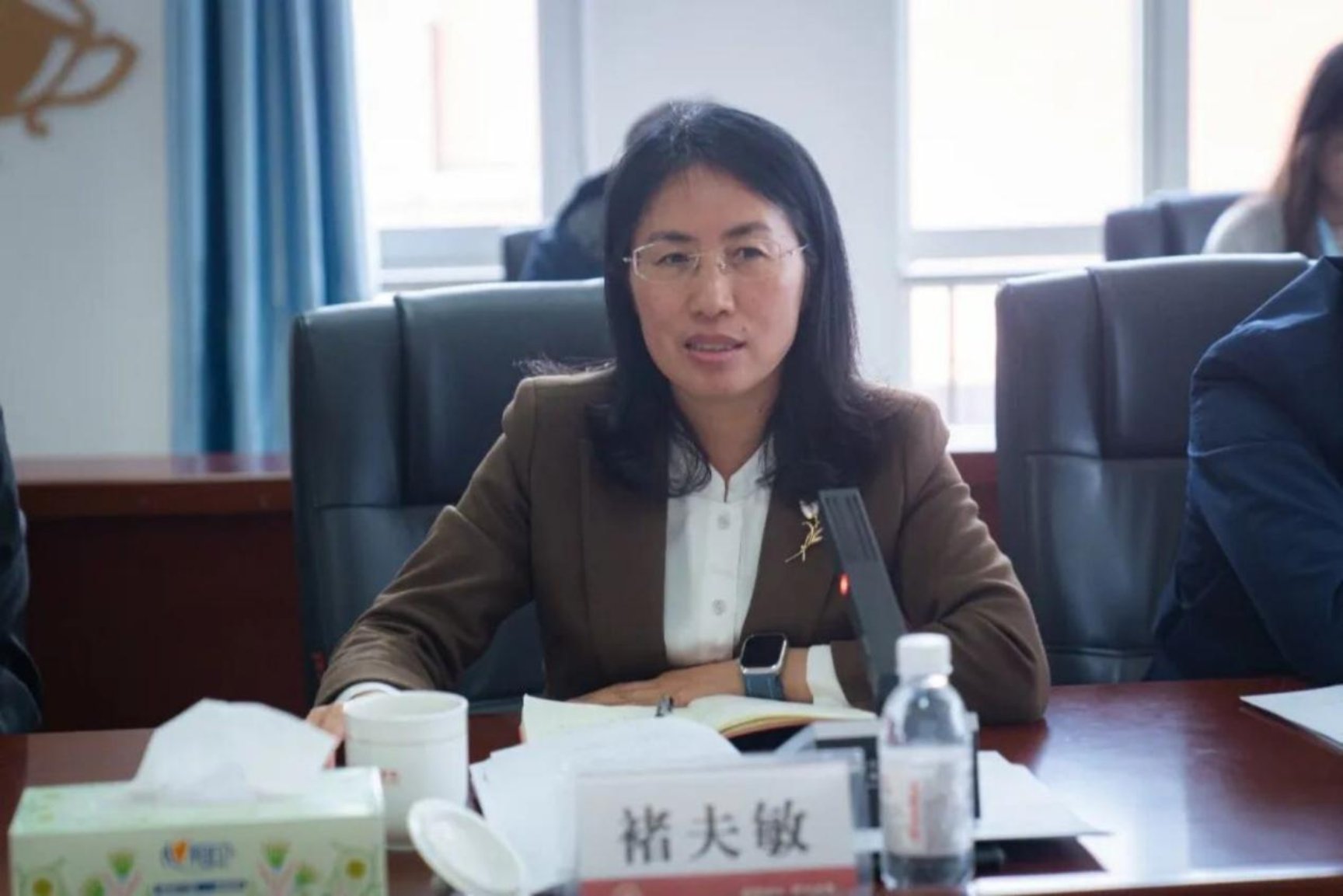
Chu Fumin
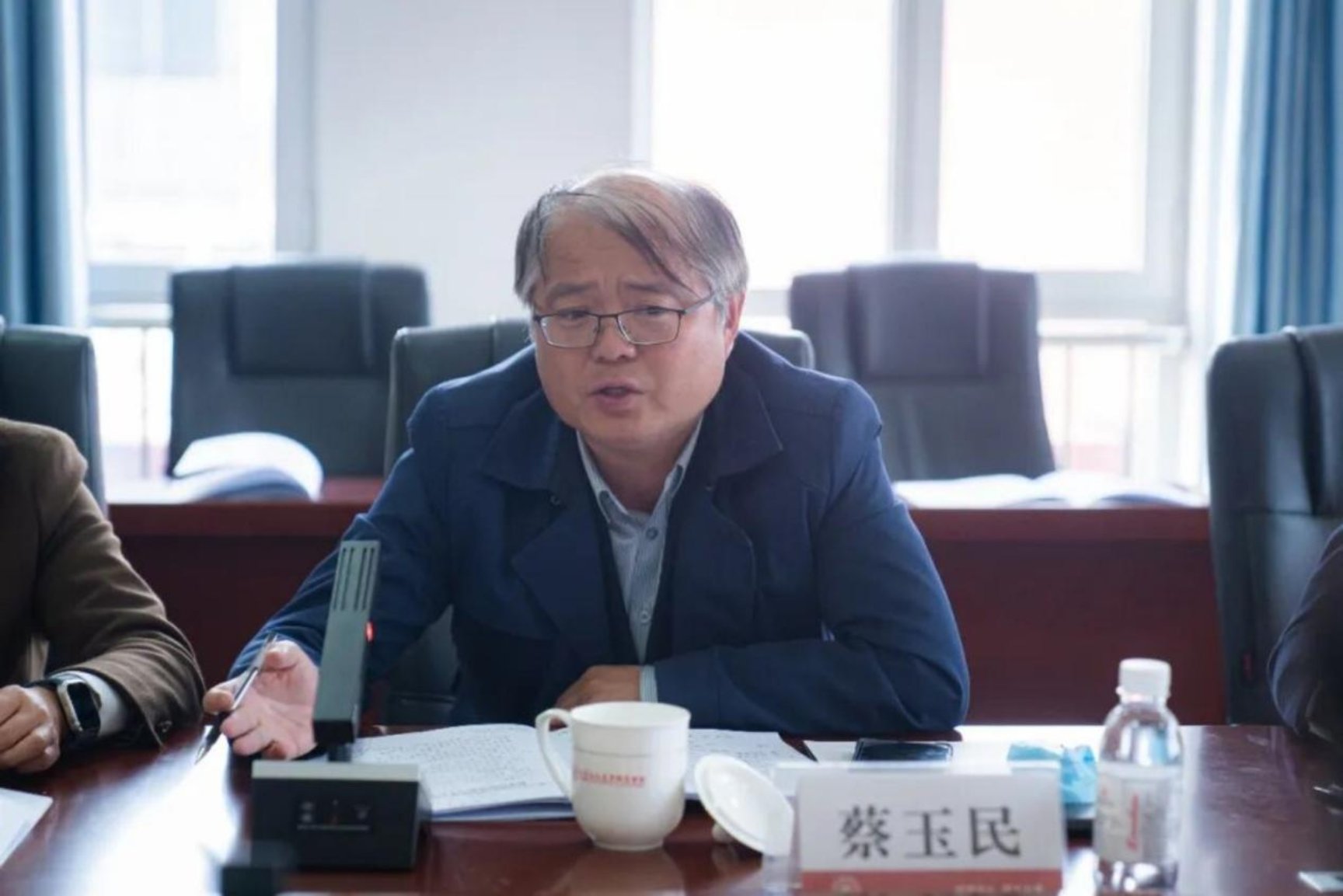
Cai Yumin
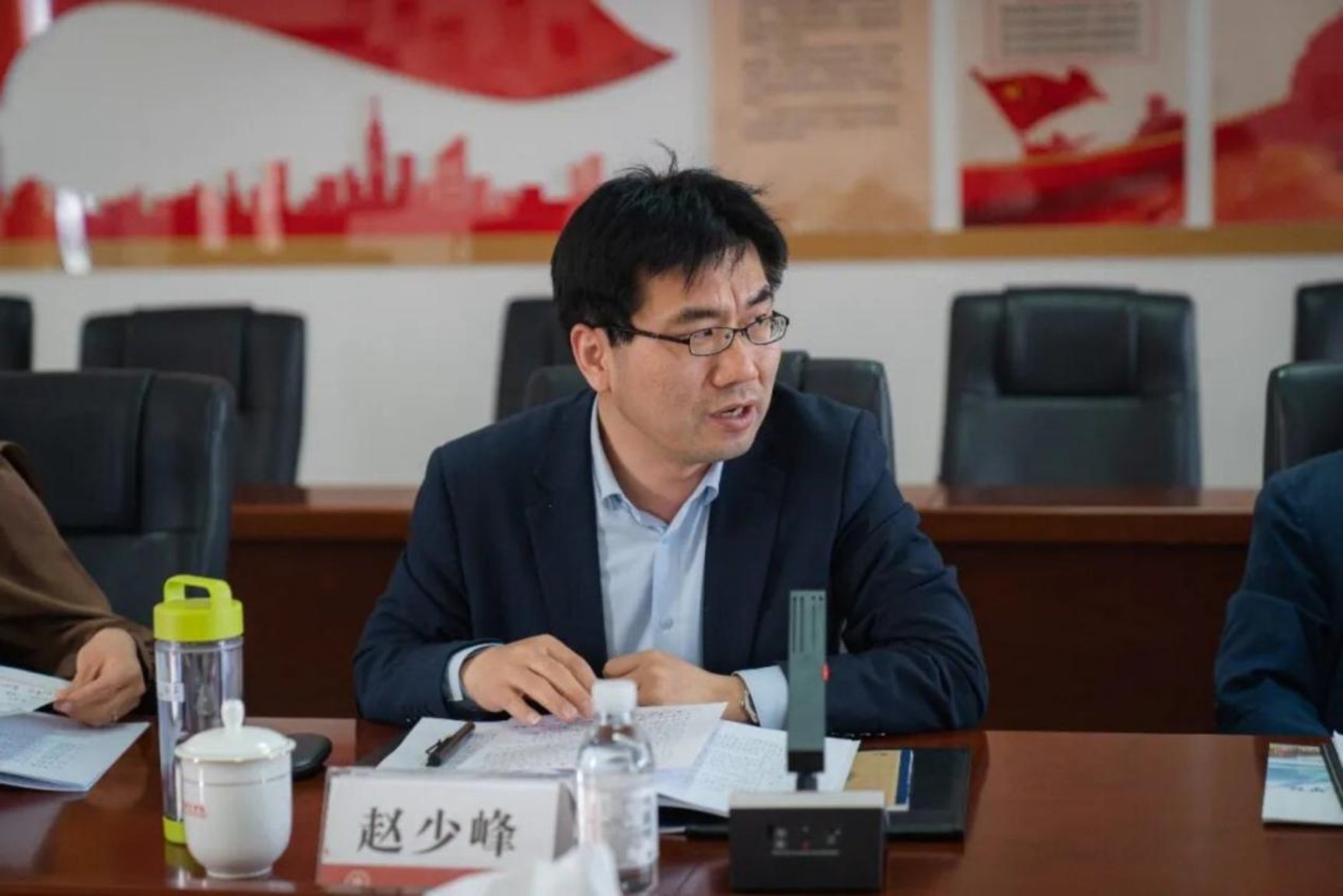
Zhao Shaofeng
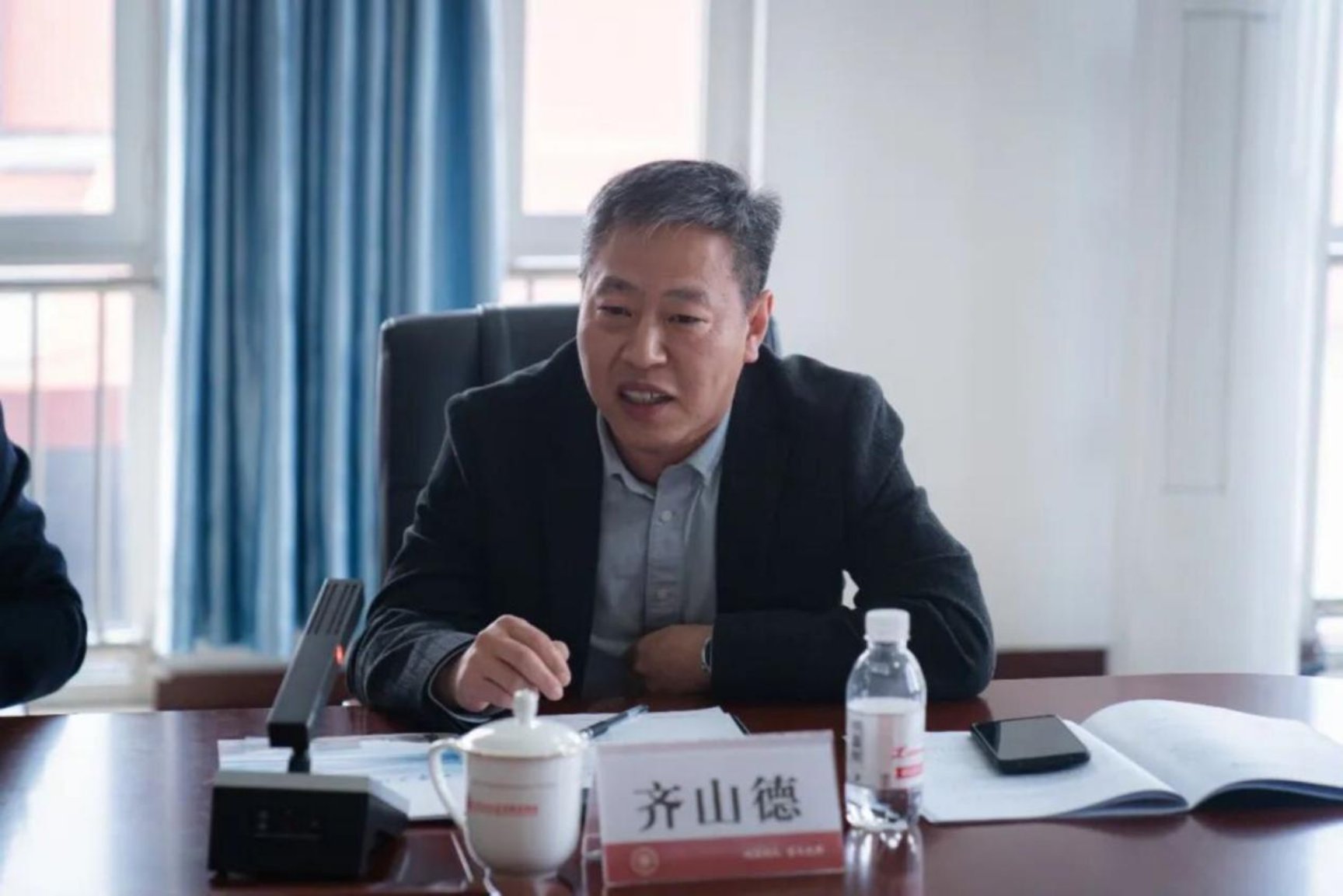
Qishande
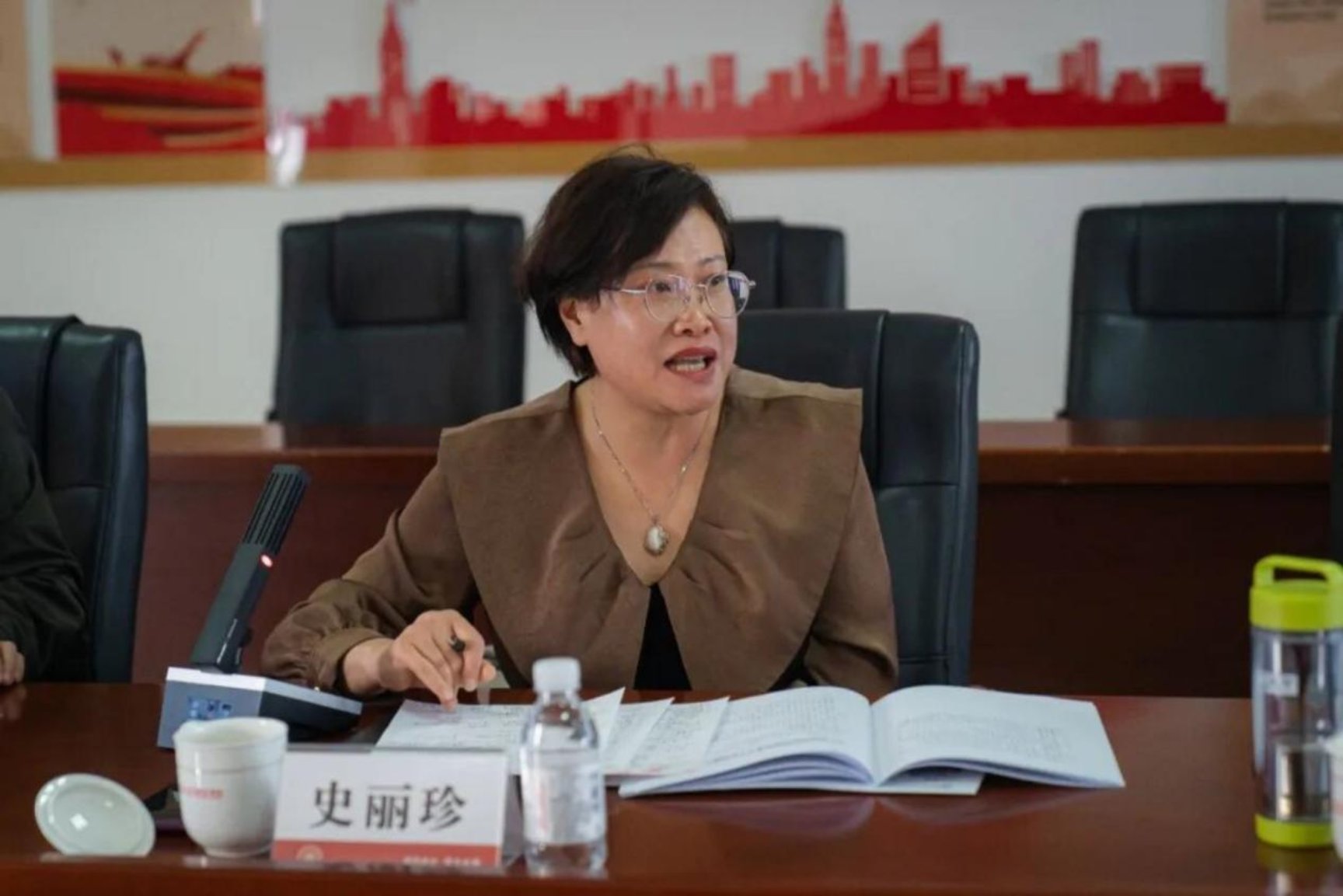
Shirin
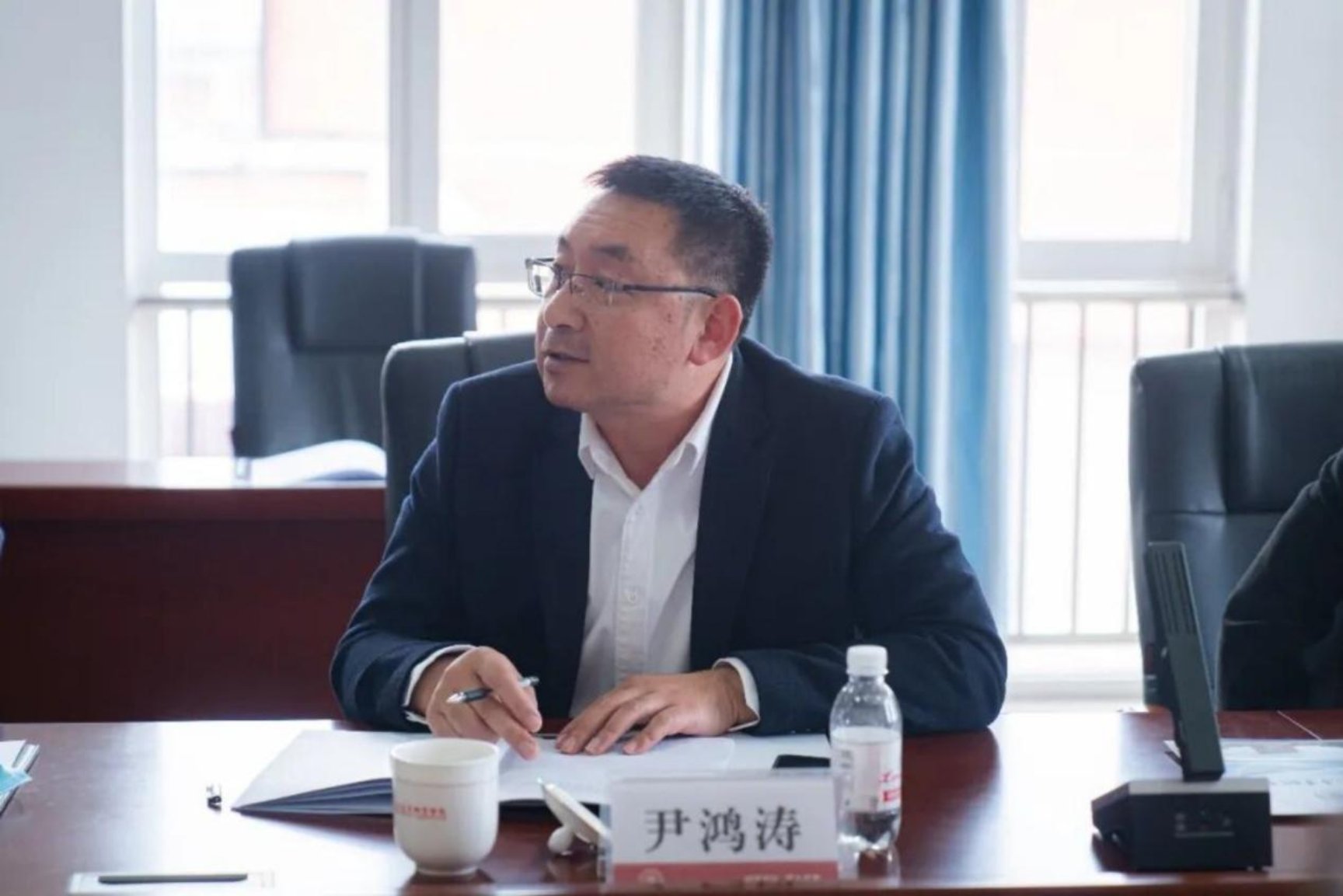
Yin Hongtao
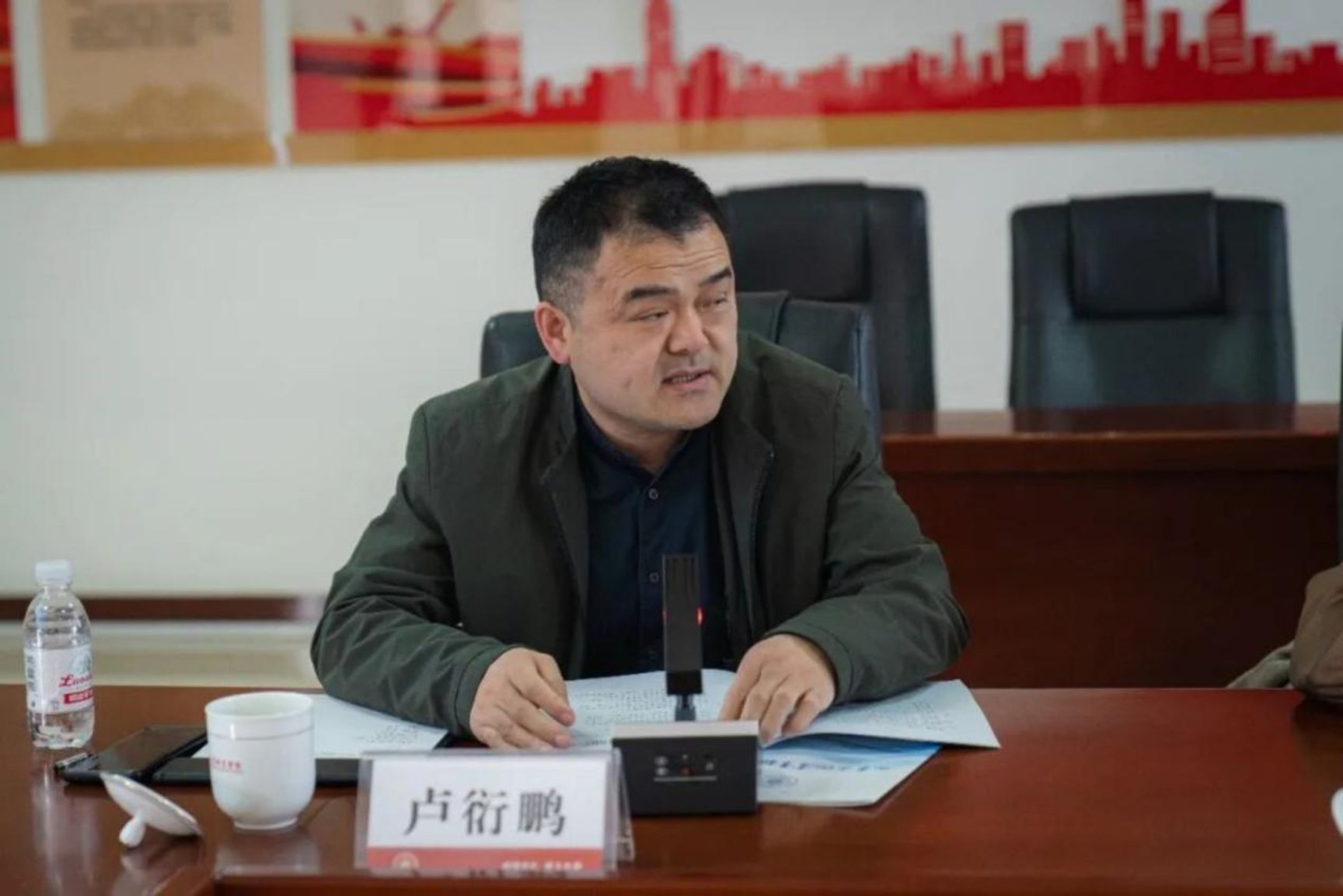
Lu Yanpeng
During the panel discussion, scholars including Du Xiaofan, Wang Hu, Chu Fumin, and Zhao Shaofeng shared their perspectives and engaged in in-depth exchanges on core topics. They unanimously agreed that intangible cultural heritage (ICH) serves as a vital vehicle for strengthening national identity and cultural confidence, while also functioning as a crucial bridge for civilizational dialogue and people-to-people connectivity in the Asia-Pacific region. The experts further proposed forward-looking recommendations to advance ICH research and international exchanges in the region. Their insightful perspectives have clarified research directions and fostered consensus for deepening ICH studies across the Asia-Pacific.
Next, under the guidance of the Asia-Pacific Communication Center of China Foreign Languages Publishing Administration, our university will incorporate expert recommendations, take the Intangible Cultural Heritage Research Center as the core, gather high-quality resources, strengthen domestic and international exchanges and cooperation, adhere to the original aspiration of protecting intangible cultural heritage, deepen the mission of mutual learning among civilizations, promote innovation in the inheritance of intangible cultural heritage and development through mutual learning, facilitate civilizational exchanges in the Asia-Pacific region through intangible cultural heritage exchanges, and contribute wisdom and strength to building an open and inclusive Asia-Pacific community.
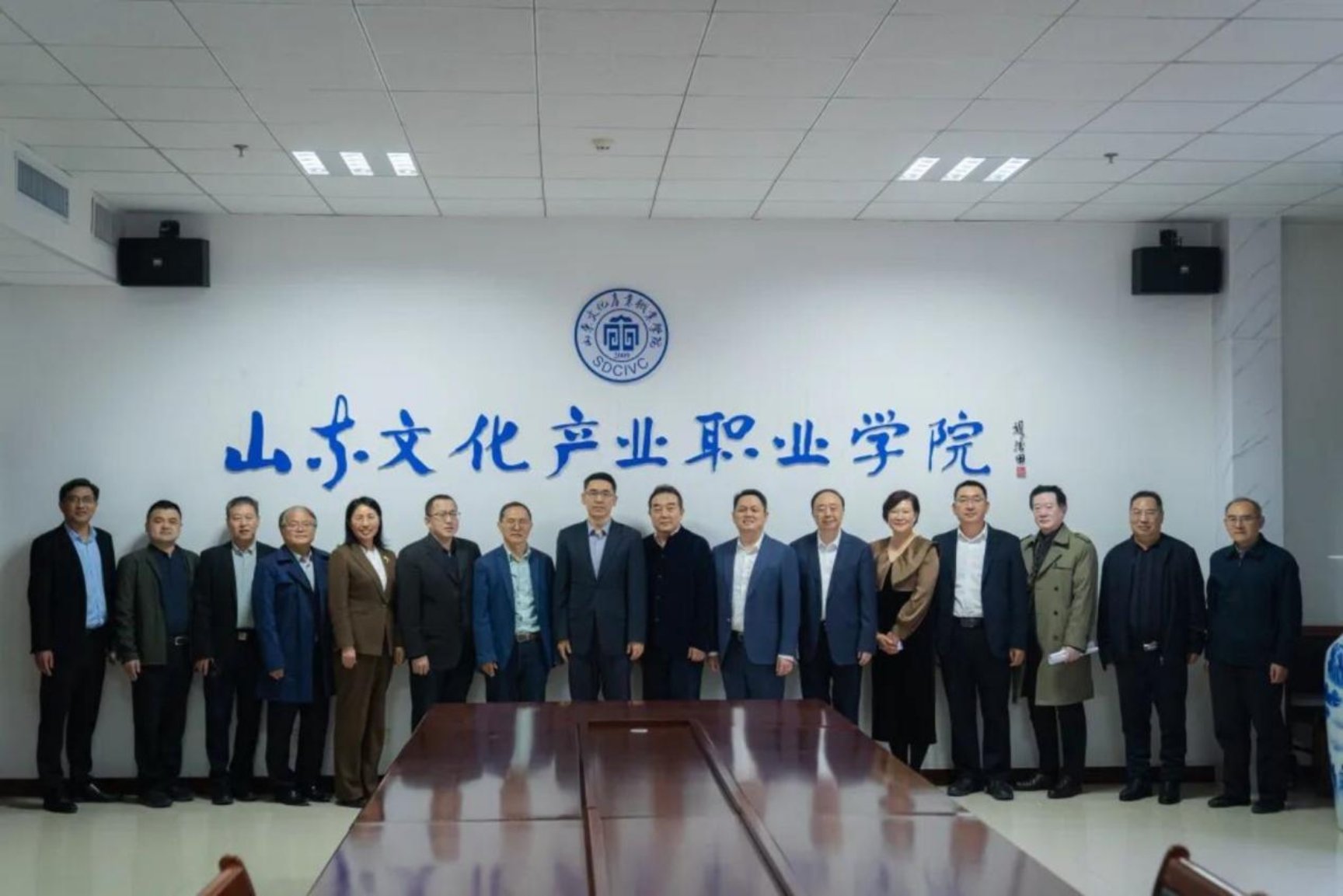
The successful hosting of this symposium has established a high-level platform for our university to deepen research on intangible cultural heritage and international cultural exchanges, while also laying a solid foundation for the protection, inheritance, and mutual learning of civilizations in the Asia-Pacific region. In the future, our university will seize this conference as an opportunity to continue focusing on research on intangible cultural heritage and cultural confidence, as well as the mutual learning of civilizations, deepen international cooperation, tell the stories of China's intangible cultural heritage, and spread the voices of Asia-Pacific civilizations, ensuring that the roots of intangible cultural heritage continue to thrive through inheritance and that the flowers of civilization bloom through mutual learning.