

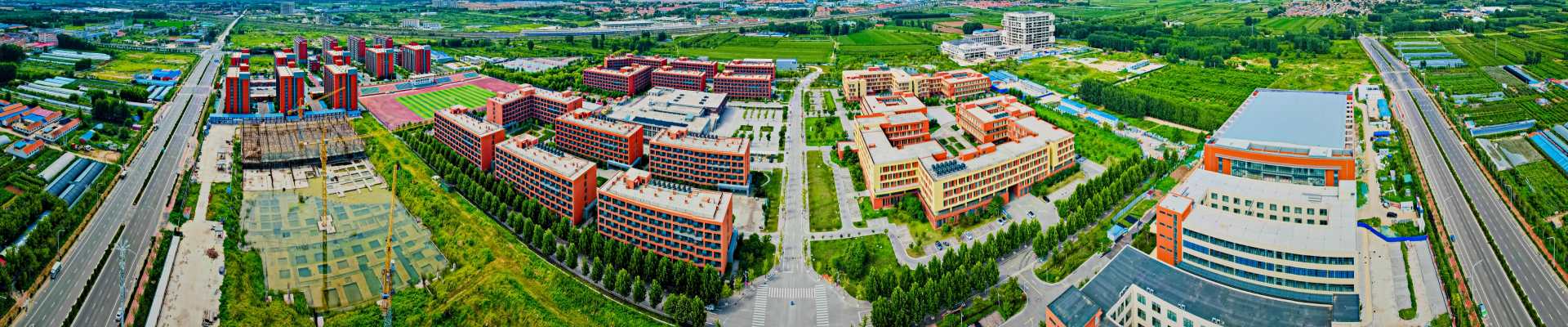
Delegation from Lincoln University College, Malaysia Visits for Collaboration Talks
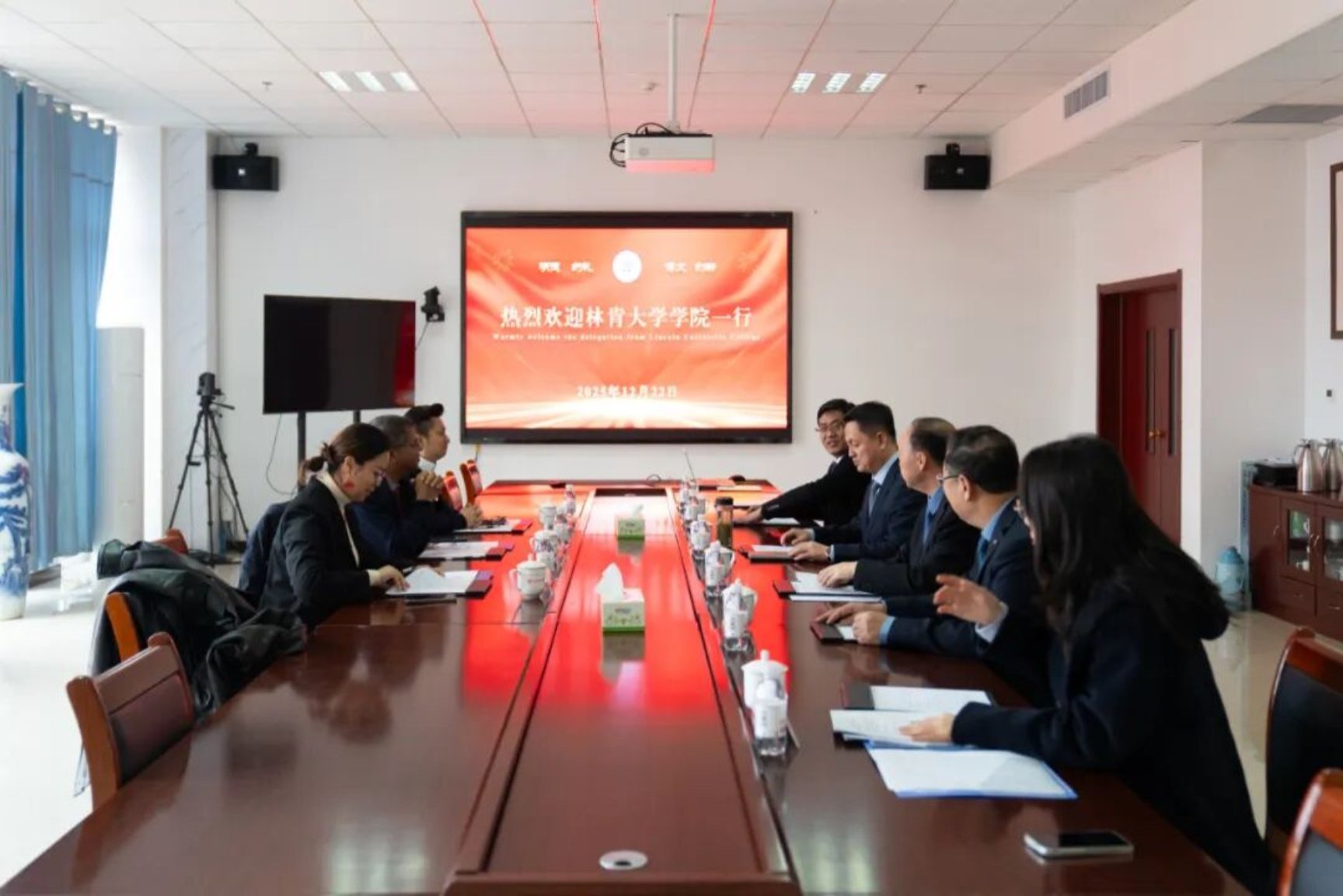
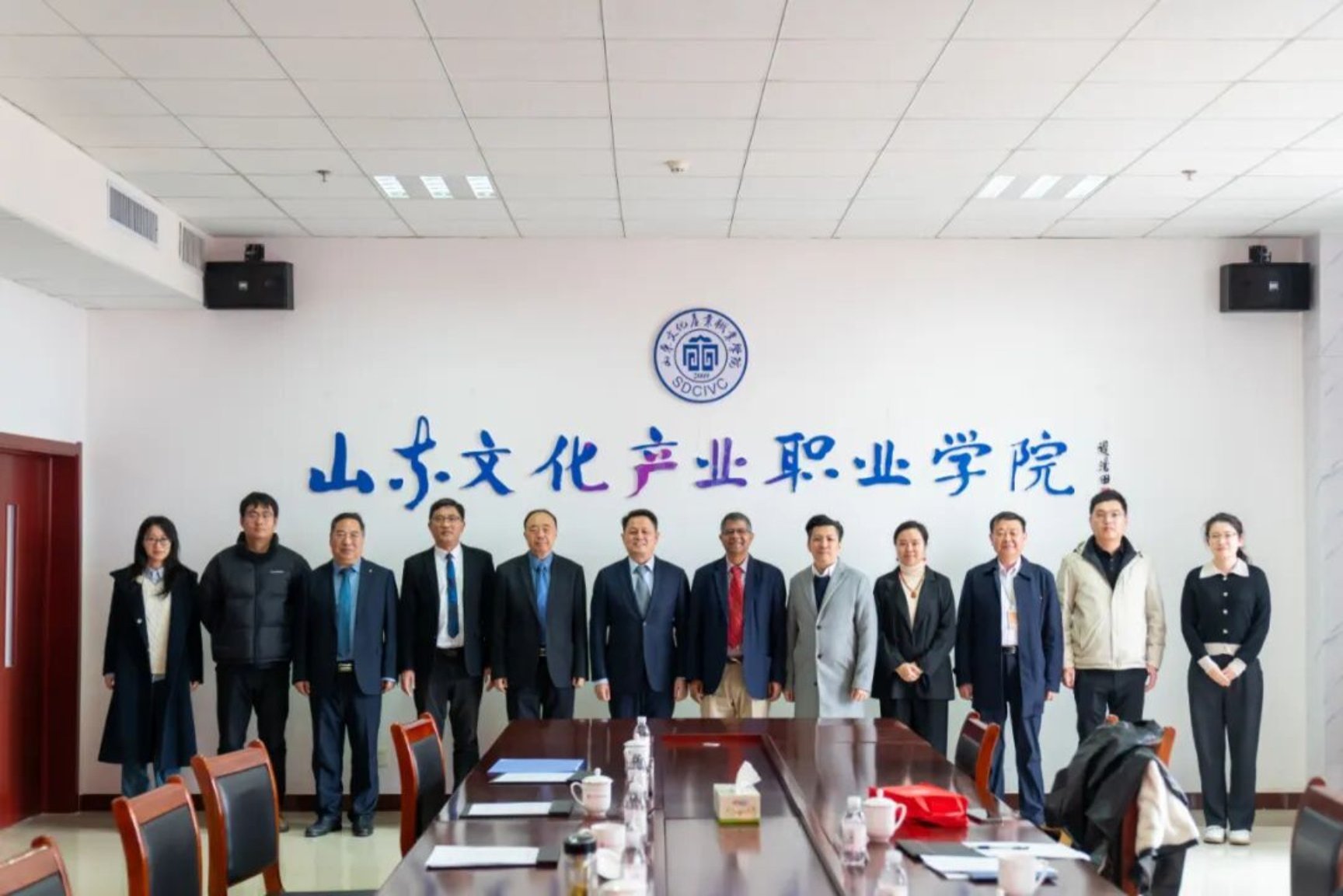
On December 22, Professor Amiya, founder and chairman of the Lincoln University College, Dr. Xu Conghui, vice president, and Li Yangjingwei, dean of the China branch, visited our university. They held in-depth discussions on core topics such as the implementation of the signed cooperative education agreement, faculty and student exchanges, and academic collaboration. The event was attended by Li Jingping, chairman of the university, Cao Shengqiang, president, Xu Yuguo, assistant to the president and director of the Academic Affairs Office, as well as heads of relevant departments including the International Exchange and Cooperation Office and the Medical and Health College.
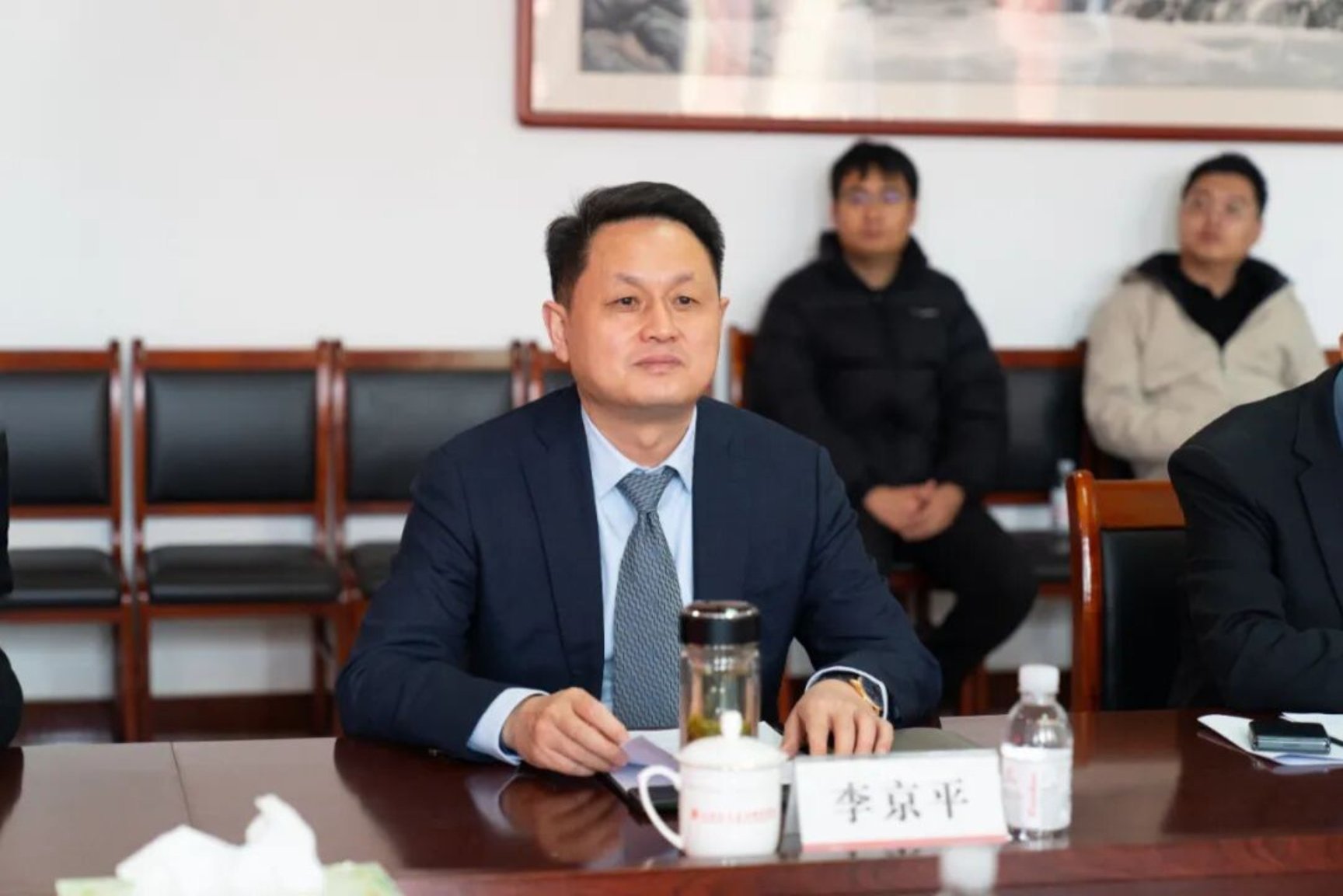
At the symposium, Chairman Li Jingping extended a warm welcome to Professor Amiya and his delegation for their long journey, while elaborating on the school's distinctive educational features and development vision. He emphasized that Shandong Cultural Industry Vacational College, rooted in the fertile soil of Qilu culture, upholds the motto "Cultivating Virtue, Observing Etiquette, Expanding Knowledge, and Innovating," and follows the path of "cultural leadership, industry-education integration, and distinctive development." The college has established a deeply integrated talent cultivation system combining "professional clusters and industrial chains," demonstrating distinct advantages in cultural creativity, digital media, and intangible cultural heritage preservation. He highlighted the "Banmo Academy" currently under development, which centers on Lu Ban's "artisan spirit" and Mozi's "technological innovation." Through a three-dimensional integration model of "cultural inheritance + practical training + innovation cultivation," the academy aims to nurture contemporary talents with cultural confidence and exceptional skills, providing a high-quality platform for collaboration between the two institutions. Li stressed that the partnership transcends resource sharing, fostering profound cultural dialogue. He expressed hope that this exchange would serve as a catalyst for deeper and more fruitful cooperation between the two schools.
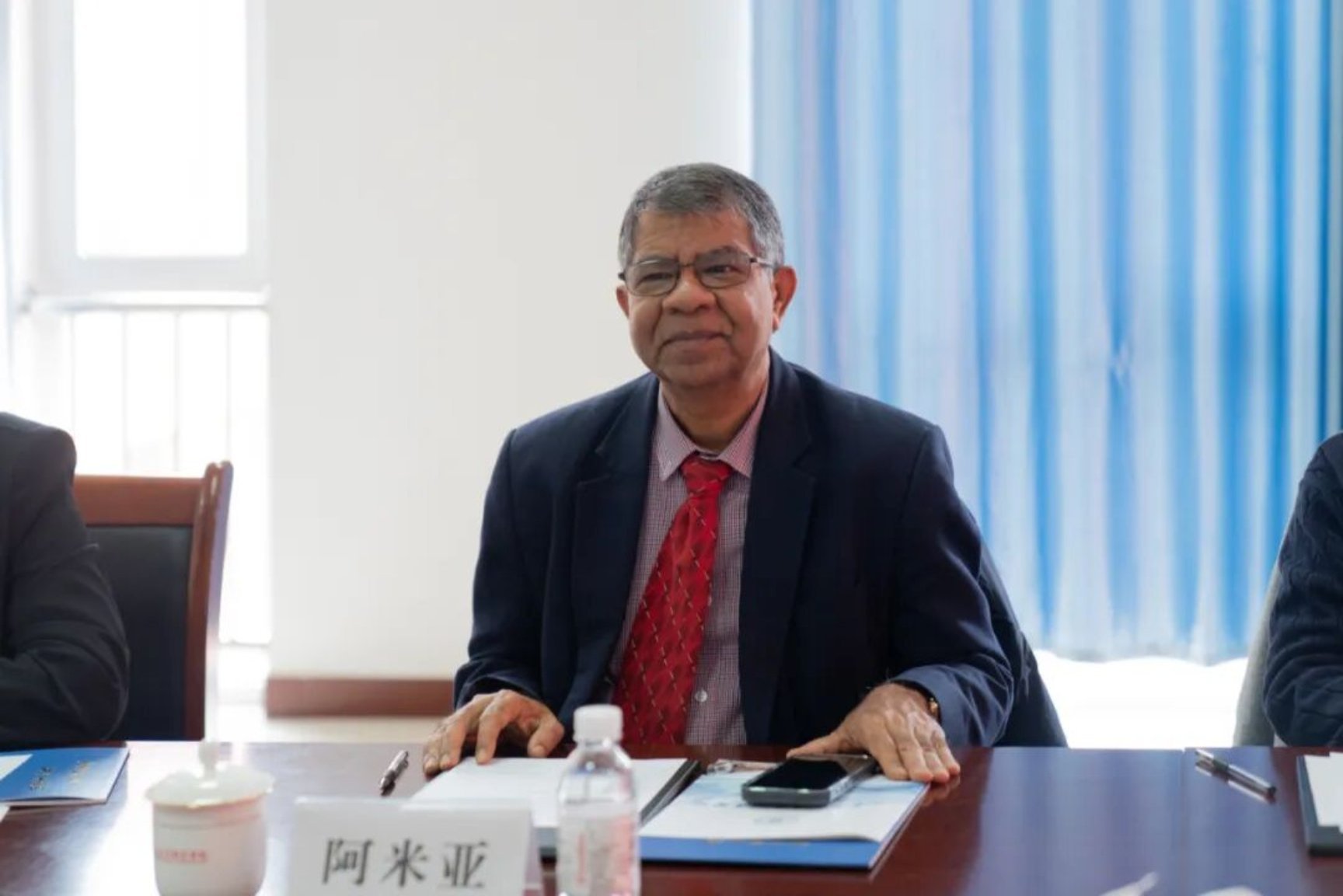
Professor Amiya expressed heartfelt gratitude for the warm reception at Shandong Cultural Industry Vacational College. He reviewed the significant achievements of the previously signed cooperative education agreement between the two institutions, emphasizing that the core purpose of his visit was to advance the substantive implementation and deepening of collaborative projects. He noted that Lincoln University College, as an internationally renowned higher education institution, has established partnerships with universities in over 30 countries worldwide, boasting abundant international educational resources and mature cooperation experience. He highlighted the high degree of professional alignment between the two institutions and their solid foundation for collaboration: This partnership will provide Shandong Vocational College of Cultural Industry students with convenient pathways for academic advancement, while fostering in-depth collaboration between faculty members. Teachers from Shandong Cultural Industry Vacational College will have the opportunity to pursue advanced studies in Malaysia, with both sides engaging in joint teaching research, resource sharing, and other multifaceted collaborations. Professor Amiya stated that Lincoln University College would fully support the cooperative projects with Shandong Cultural Industry Vacational College, looking forward to deeper collaborative efforts in broader fields to achieve mutual benefits and win-win outcomes.
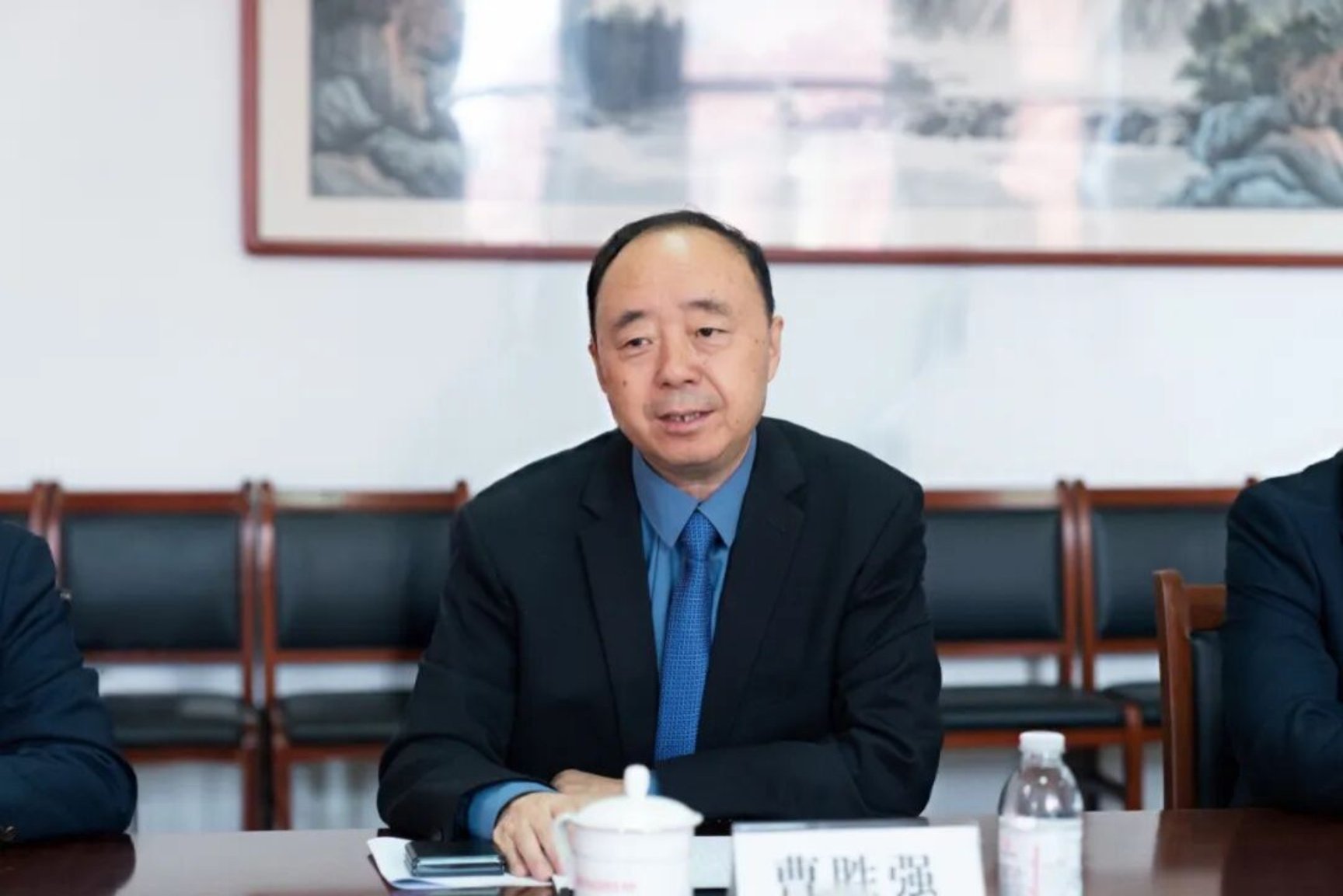
President Cao Shengqiang outlined the long-term blueprint for collaboration between the two institutions from a strategic perspective. He explained that the university is systematically implementing the "1234567" talent development model, integrating the "three spirits" of labor spirit, model worker spirit, and craftsmanship spirit throughout the educational process. This initiative aims to cultivate high-quality technical professionals with cultural depth, modern skills, and global vision. During the exchange, President Cao proposed three key cooperation directions: First, leveraging the "Banmo Academy" as an innovative platform to deepen the integration of "cultural heritage + vocational skills + international literacy" in talent development, expanding collaboration from health management to fields like artificial intelligence, cultural creativity, and digital media. Second, establishing a multi-dimensional faculty-student exchange platform through teacher visits, student exchanges, and online workshops to foster a vibrant academic community. Third, expanding industry-oriented joint research and social services by inviting experts from Lincoln University College to participate in the university's "APEC Intangible Cultural Heritage Research Center," focusing on collaborative research in areas such as wellness culture and digital preservation of cultural heritage, thereby enhancing the social influence and contributions of both institutions.
During the symposium session, both parties engaged in substantive discussions on curriculum alignment, faculty exchange mechanisms, and specific pathways for student advancement, reaching multiple consensus points. This visit marks a pivotal phase in the collaboration between our university and Lincoln University College in Malaysia, transitioning from agreement consensus to practical project implementation, thereby laying a solid foundation for comprehensive and in-depth cooperation between the two institutions in the future.
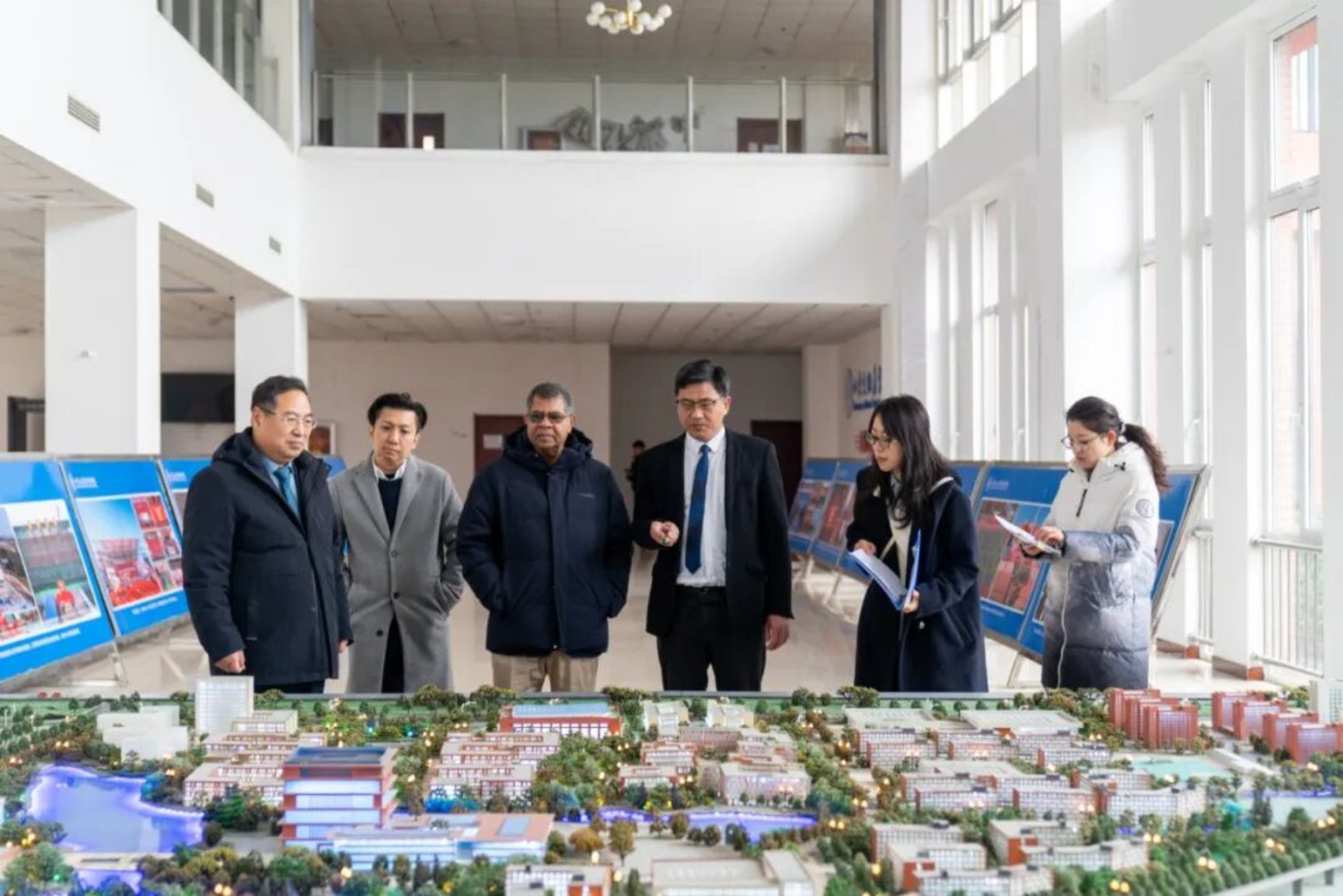
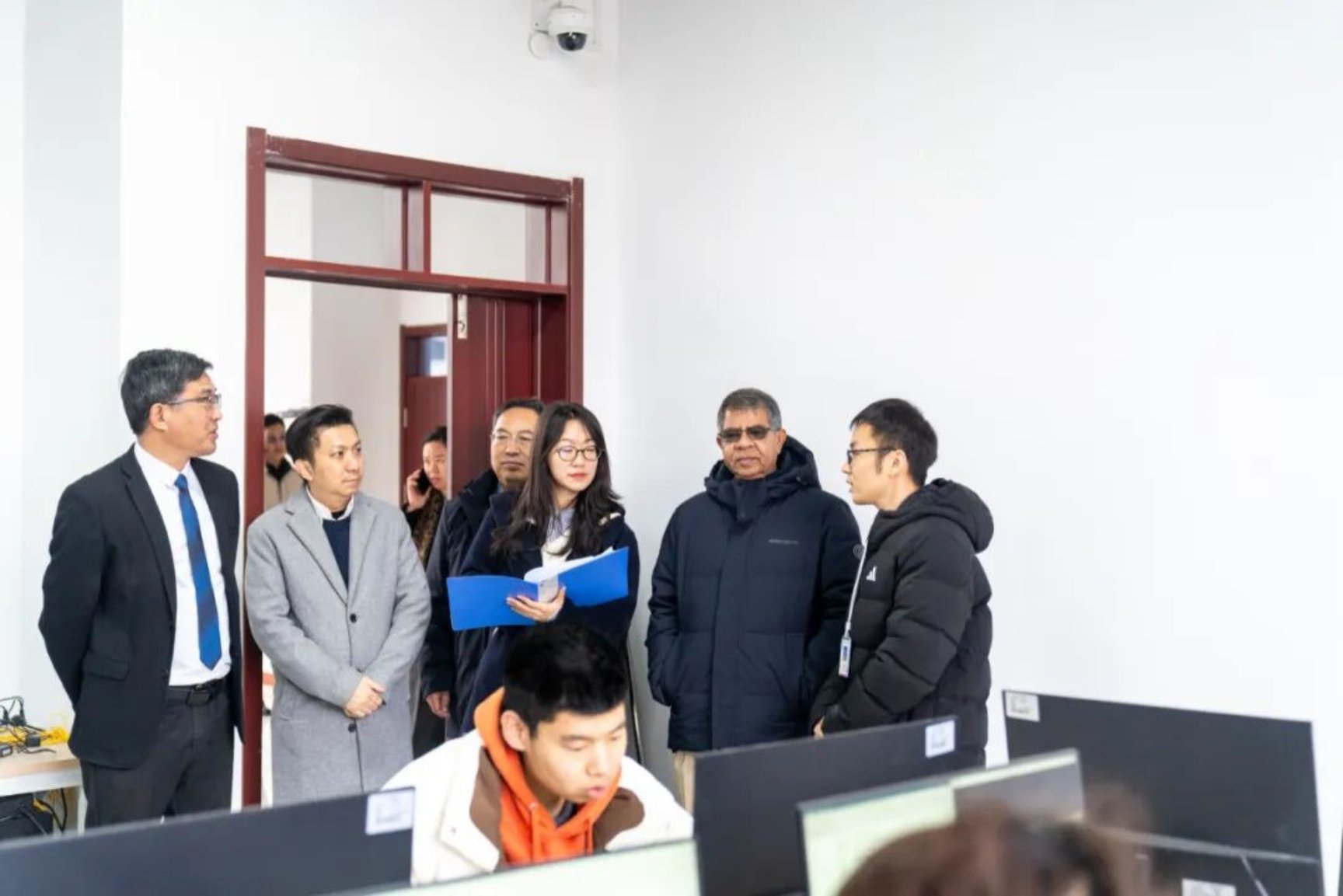
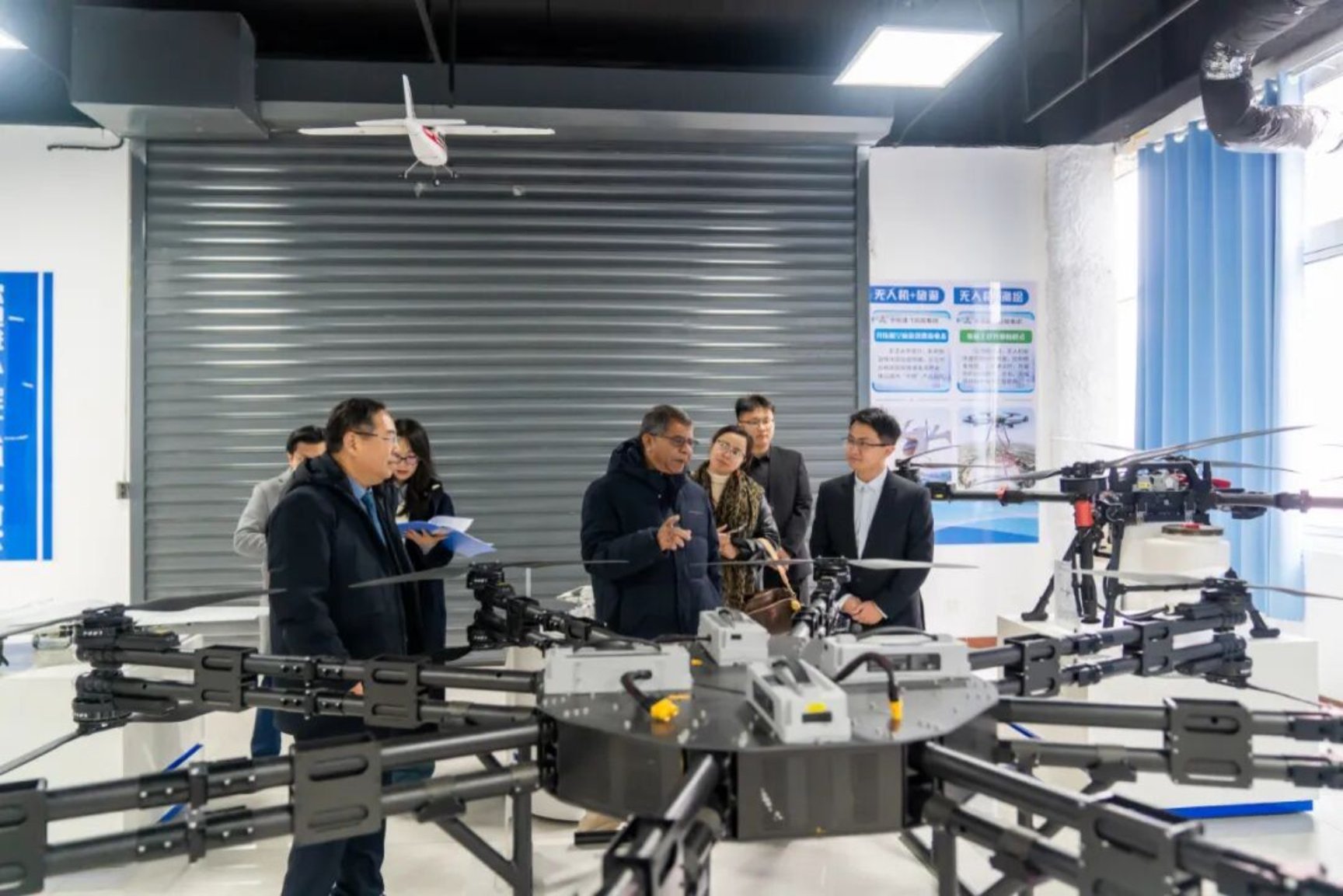
Prior to the symposium, a delegation from Lincoln University College in Malaysia conducted an on-site inspection of the school's planning model, Huawei training laboratory, drone training laboratory, and other teaching and training facilities, expressing high praise for our university's achievements in industry-education integration and skills training.
It is reported that on September 24, at the "China Shandong Higher Education Exhibition (Malaysia Station)" hosted by the Shandong Provincial Department of Education and the Malaysia Education Exchange Association, our college and the Lincoln University College in Malaysia officially signed a cooperation agreement for joint education. The Sino-foreign cooperative education program in the Health Management major is an important starting point of the collaboration. In the future, the two universities will fully leverage their respective resource advantages, accelerate the implementation of various cooperation initiatives, and carry out comprehensive coordination in areas such as talent cultivation, faculty development, and academic research. This will build a solid bridge for educational exchange and cultural mutual learning between the two countries, jointly cultivating high-quality talents that meet the demands of international development.